

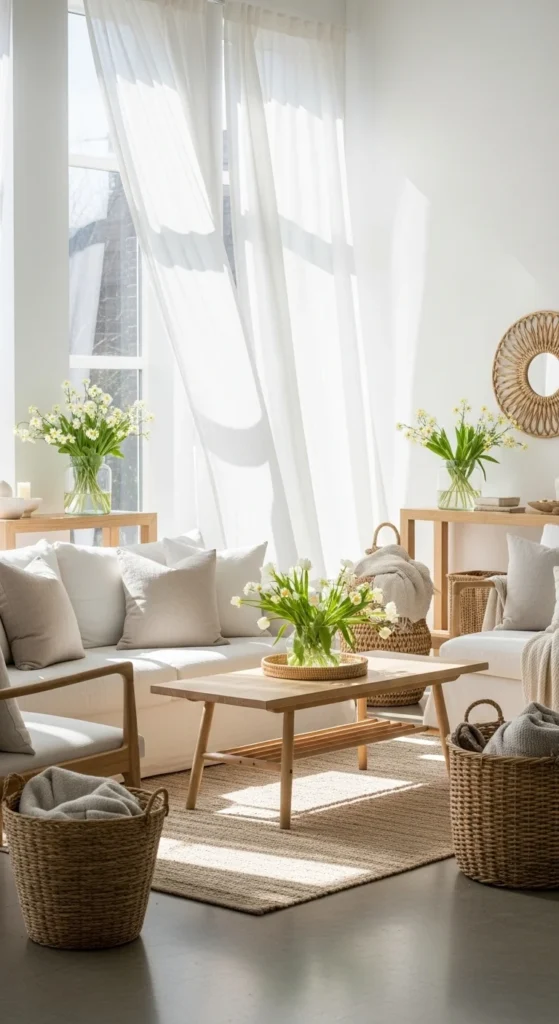
Spring decorating is about clearing visual weight and letting your home feel open, calm, and easy to live in. Small DIY changes can shift the mood of a room without spending much or starting major projects. The ideas below focus on simple materials, relaxed colors, and hands-on updates that help rooms feel more open and comfortable. Each project is realistic, budget-aware, and easy to adapt to what you already own.
1. Sheer Curtain Panel Swap
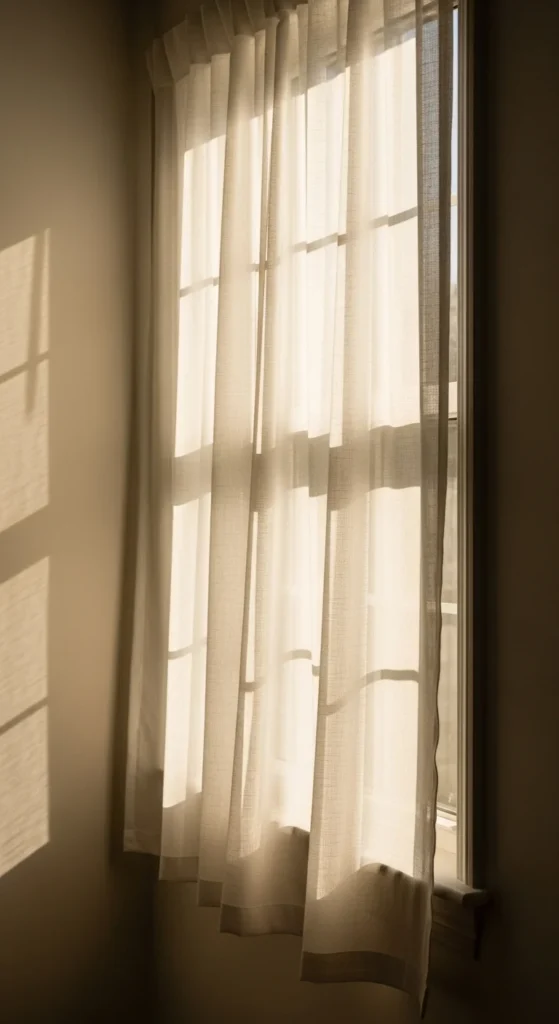
Swapping heavy curtains for sheer panels changes how light moves through a room. This is one of the fastest ways to make a space feel open. Choose white or soft cream panels to keep things calm. Cotton voile and linen blends work well and stay affordable.
You don’t need new rods. Use what you already have. If the panels are too long, iron-on hem tape fixes that in minutes. Keep the look relaxed rather than stiff. A gentle puddle on the floor works fine.
Sheer curtains also soften window frames and walls. Rooms feel taller because light travels upward instead of stopping at dark fabric. If privacy matters, hang two panels and overlap slightly.
This project works in living rooms, bedrooms, and even kitchens with large windows. It pairs well with light rugs and neutral seating. Small change. Big visual relief.
2. Light Wood Tray Centerpieces
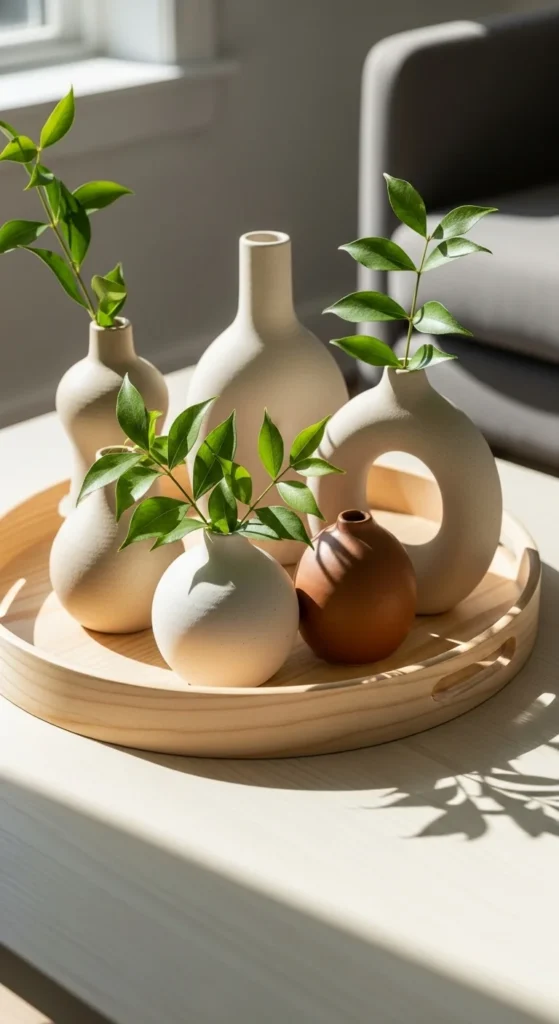
A light wood tray helps anchor decor without adding heaviness. Look for unfinished or pale-stained trays. Thrift stores often carry them. If the finish is dark, a quick sanding softens the tone.
Use the tray to group just a few items. Think one small plant, one ceramic piece, and maybe a book. Leave space between items so the tray feels calm.
This works well on coffee tables, dining tables, or consoles. Trays keep things tidy while still feeling relaxed. Avoid overfilling them.
Light wood pairs well with white walls and soft fabrics. It also helps darker furniture feel less heavy. One tray can rotate between rooms depending on the season.
3. Glass Vase Branch Displays
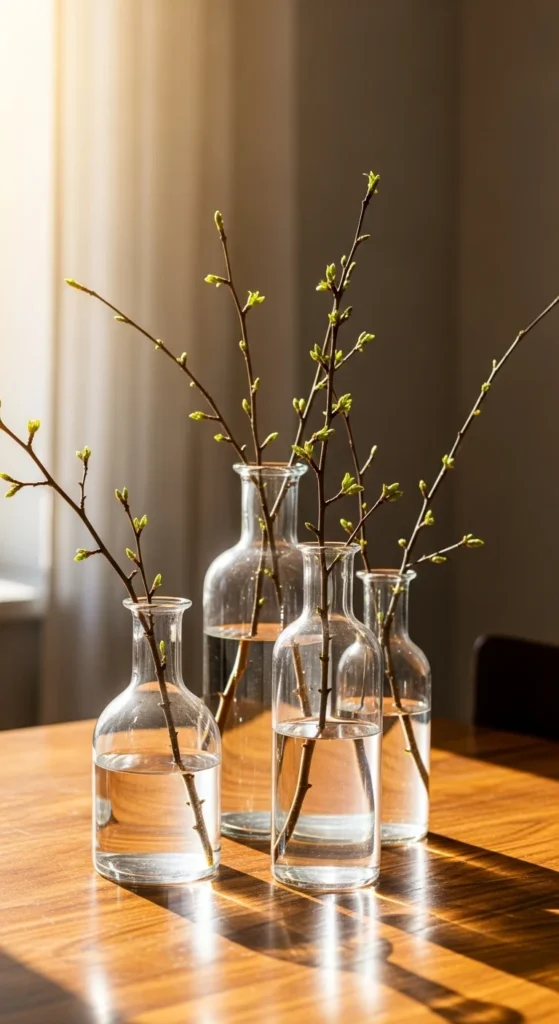
Clear glass vases with simple branches bring height without clutter. You don’t need flowers. Trim a few budding branches from outside or use faux stems.
Tall glass vases keep sightlines open. The room still feels spacious because you can see through the base. Group one or two vases rather than many.
Place them near windows or entry tables where light hits the glass. This creates gentle reflections and movement.
If you already own glass containers, repurpose them. Pitchers and jars work well. Keep the arrangement loose. Perfection isn’t the goal. The result feels calm and seasonal with very little effort.
4. Soft Neutral Pillow Covers
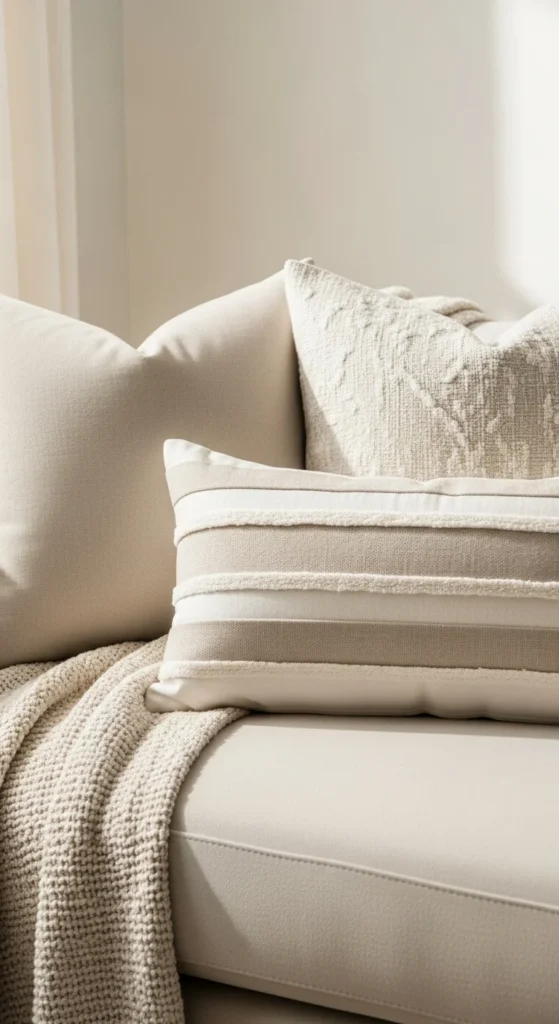
Pillow covers are one of the easiest swaps you can make. Choose light neutrals like beige, ivory, or pale gray. These tones help furniture feel less dense.
Stick to simple textures like cotton, linen, or subtle knits. Avoid busy patterns. Two or three pillows are enough.
If you already have inserts, just replace the covers. That keeps costs low and storage simple. Mix textures rather than colors.
This change works well with both dark and light sofas. The contrast helps seating feel grounded without feeling heavy. It’s a quiet update that makes the whole room feel calmer.
5. Open Shelf Decluttering Reset
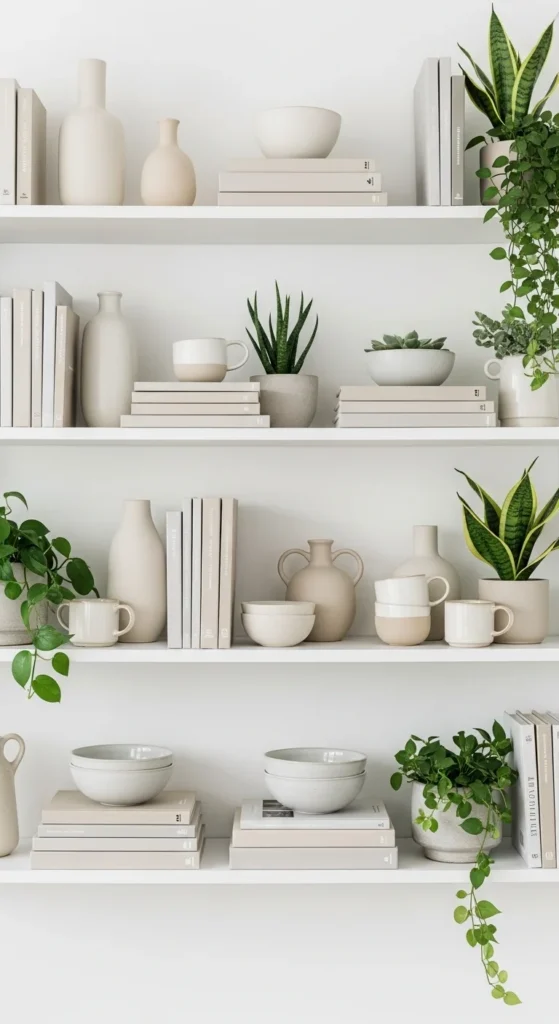
Open shelves feel lighter when less is displayed. Remove everything first. Clean the shelves. Then add items back slowly.
Aim for breathing room. Leave empty space between objects. Use light-colored ceramics or glass where possible.
Stack books horizontally instead of vertically. This lowers visual weight. Add one small plant for softness.
This project costs nothing but time. The result makes kitchens and living spaces feel larger and easier to use.
6. Linen Table Runner Swap
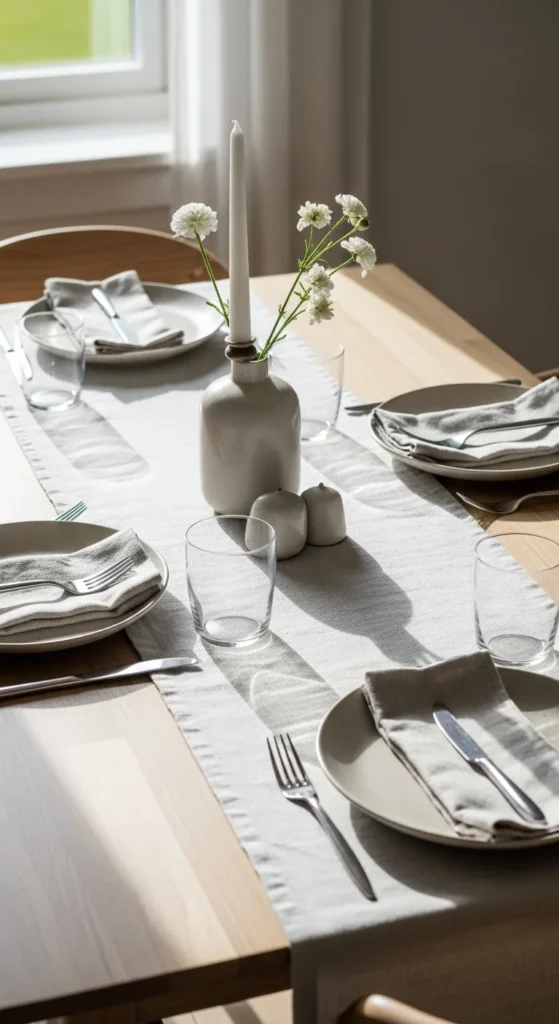
Heavy tablecloths can feel dated. A light linen runner keeps the table open while still feeling styled.
Choose natural tones like flax or soft gray. Let the ends drape loosely. Wrinkles are fine.
Pair with simple dishware. This works well for everyday meals and casual gatherings. When not in use, the runner folds small and stores easily.
7. White Framed Wall Art Refresh
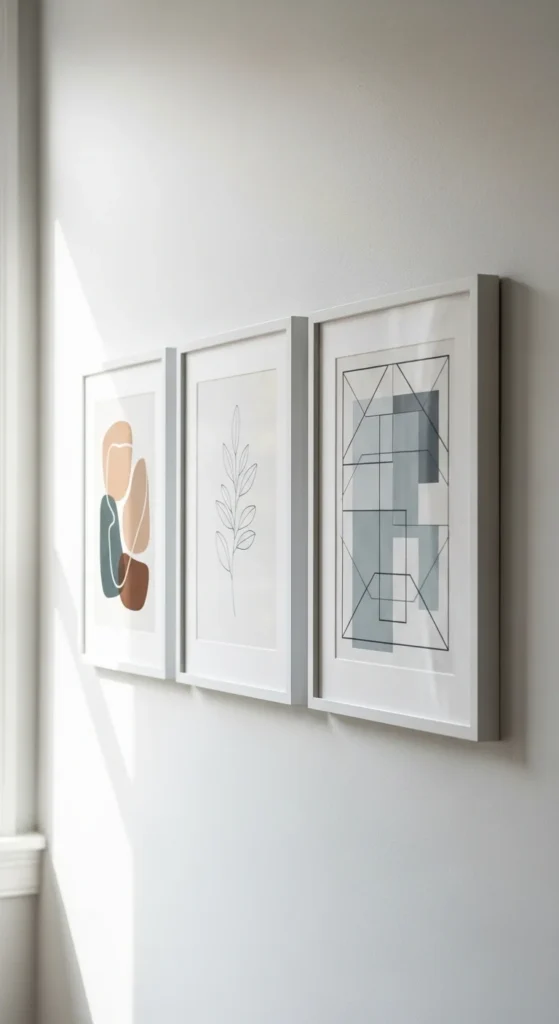
Dark frames add weight to walls. Switching to white or light wood frames instantly softens the space.
You don’t need new art. Reuse what you have. Even simple line prints or personal photos work.
Hang art with space between pieces. Avoid crowded arrangements. This keeps walls feeling open and balanced.
8. Simple Entryway Hook Board
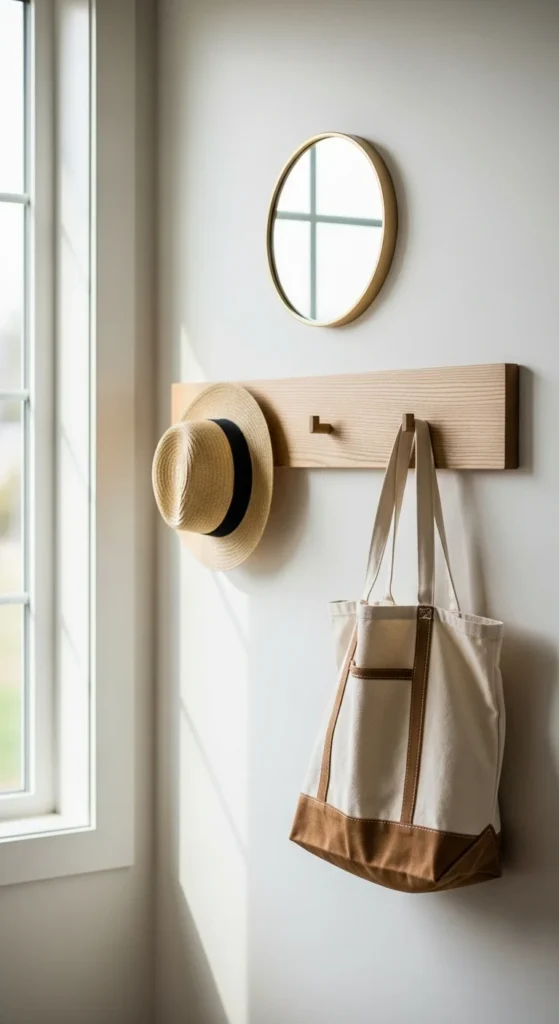
Cluttered entryways feel stressful. A simple hook board keeps essentials organized without bulk.
Use light wood or white-painted boards. Limit hooks to what you actually use.
This keeps bags and jackets off chairs and floors. The entry instantly feels calmer and easier to walk through.
9. Clear Container Pantry Switch
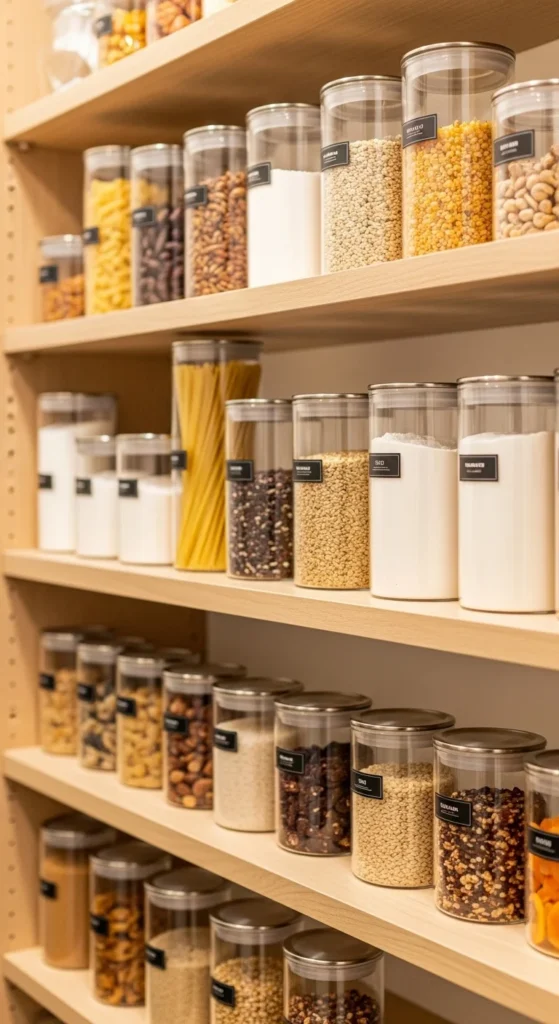
Clear containers help shelves feel open. You can see contents at a glance, which reduces visual mess.
Start small. Replace just a few containers. Glass jars work well and last.
Labels aren’t required. Let the materials speak for themselves. The pantry feels cleaner and more relaxed.
10. Neutral Bathroom Towel Update
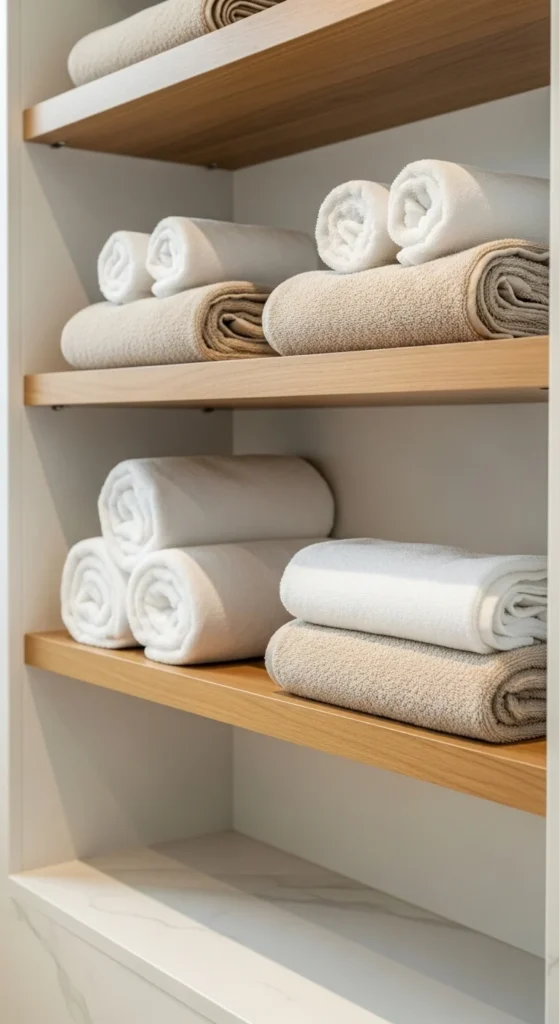
Dark towels absorb light. Switching to white or pale tones helps bathrooms feel larger.
You don’t need a full set. Start with hand towels. Roll or fold them neatly.
This pairs well with natural wood or ceramic accents. Small change. Big difference.
11. Woven Basket Storage Edit
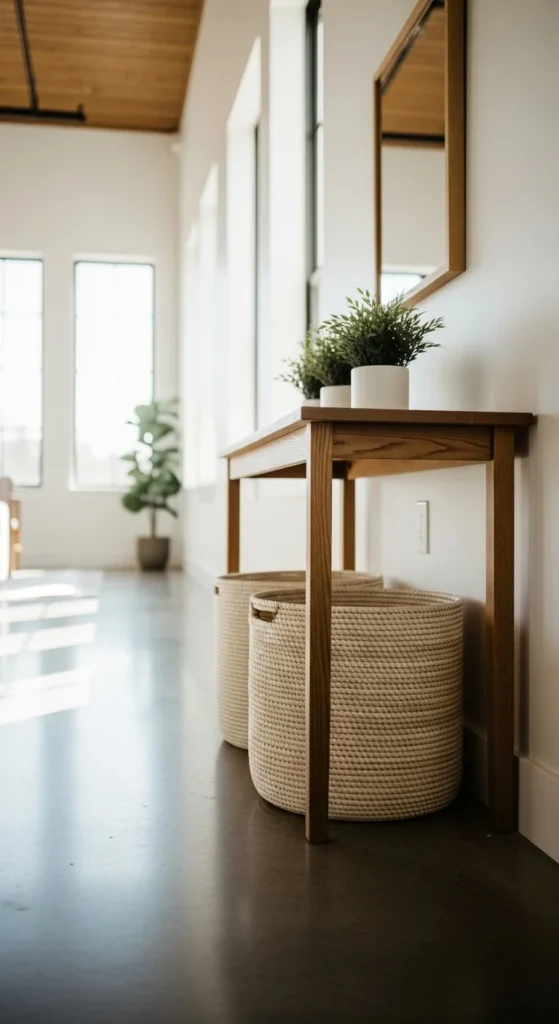
Woven baskets store items without adding visual weight. Choose lighter fibers and simple shapes.
Use them for blankets, toys, or magazines. Keep contents hidden but accessible.
This works well in living rooms and bedrooms where storage is needed without clutter.
12. Indoor Plant Cuttings Display
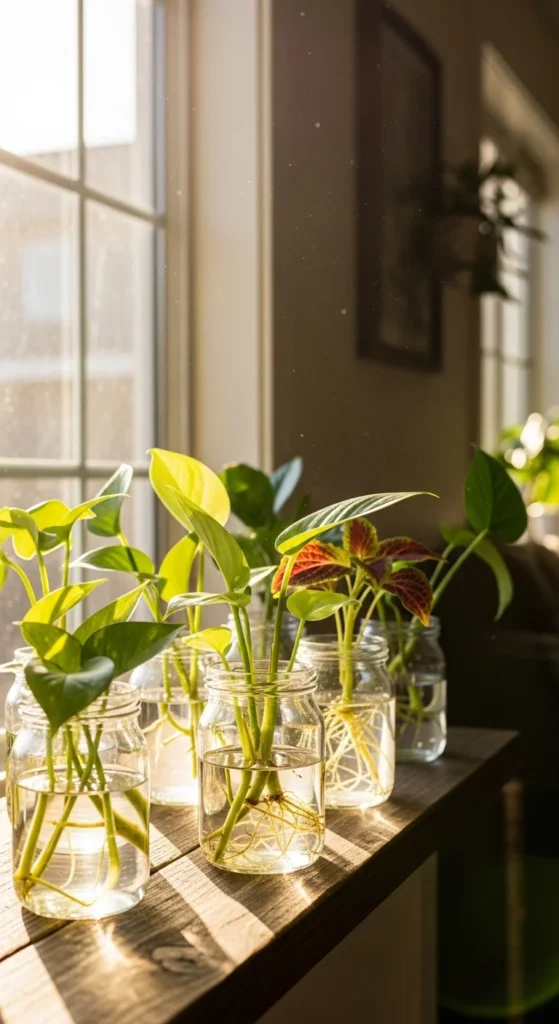
Plant cuttings add life without taking much space. Use clear jars so light passes through.
Group two or three jars together. Keep leaves trimmed.
This adds movement and softness without crowding surfaces.
13. Light Area Rug Layering
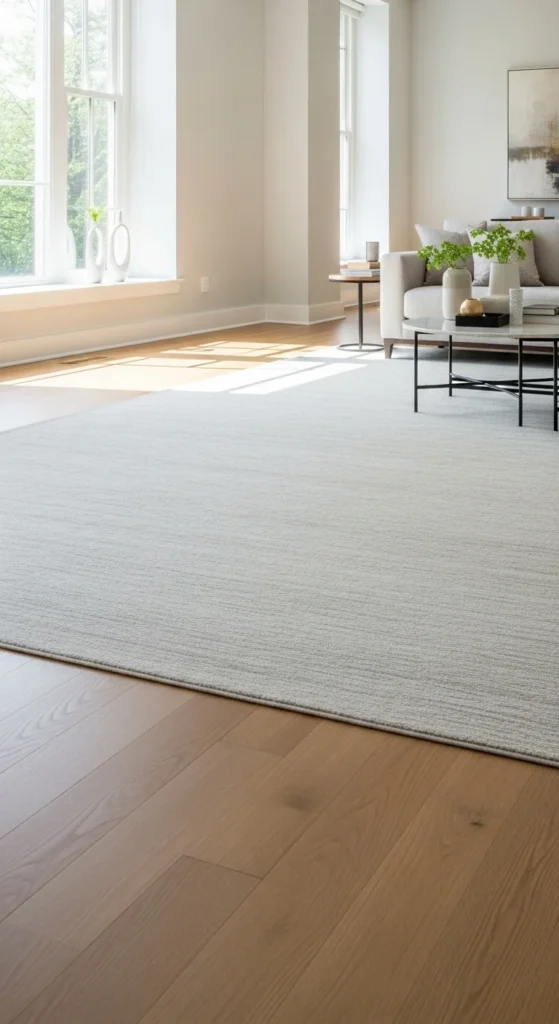
A light rug can soften dark floors. Choose low-pile styles in neutral tones.
Layering helps define areas without blocking flow. Keep furniture legs partially on the rug.
This makes rooms feel open and balanced.
14. Minimal Bedside Table Styling
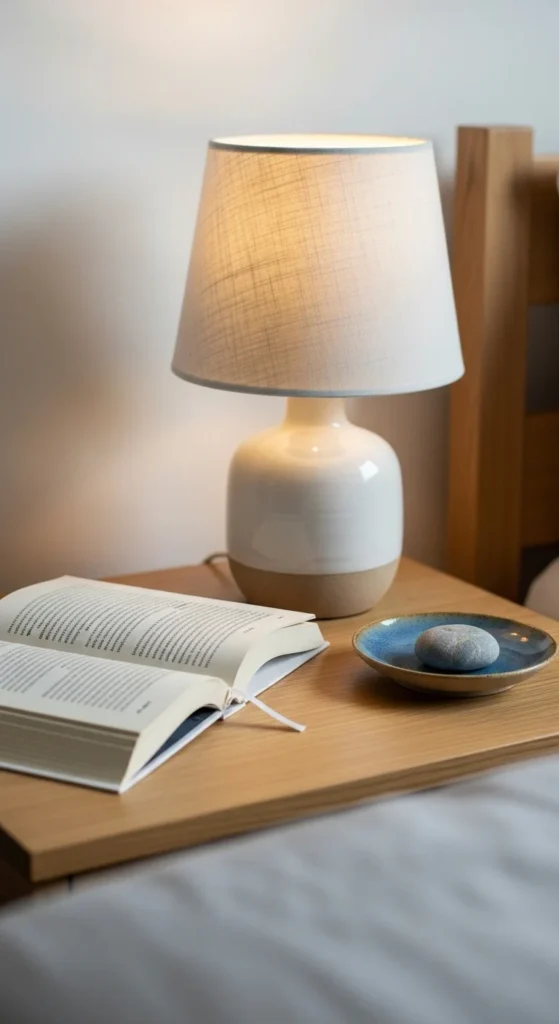
Clear bedside tables improve sleep spaces. Keep only essentials.
A lamp, one book, and a small dish are enough. Avoid stacking items.
This helps bedrooms feel restful and easy to maintain.
15. DIY Pale Wood Picture Ledges
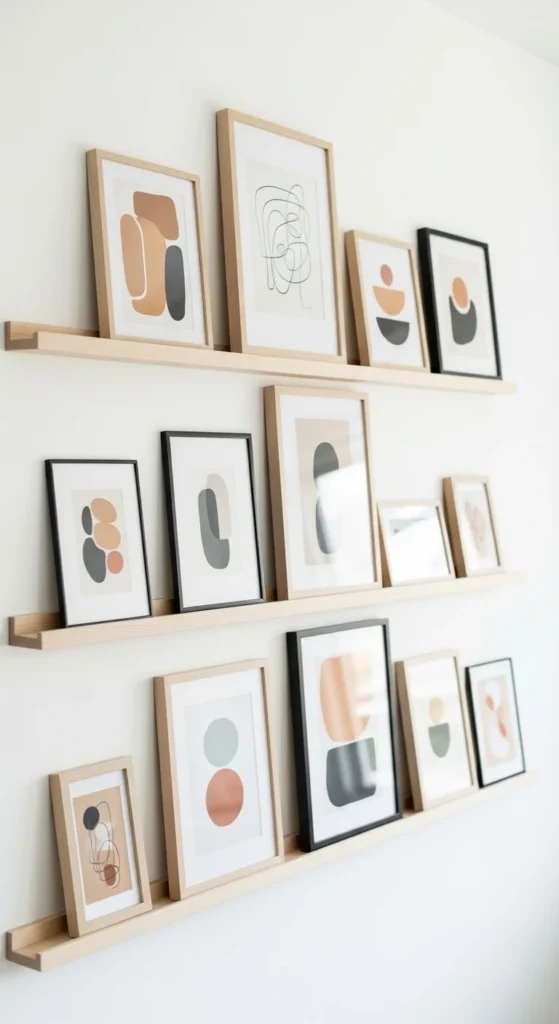
Picture ledges allow flexible styling. Light wood keeps the look soft.
Lean frames rather than hanging many nails. Rotate art seasonally.
This keeps walls interesting without visual overload.
16. Simple Candle Holder Swap
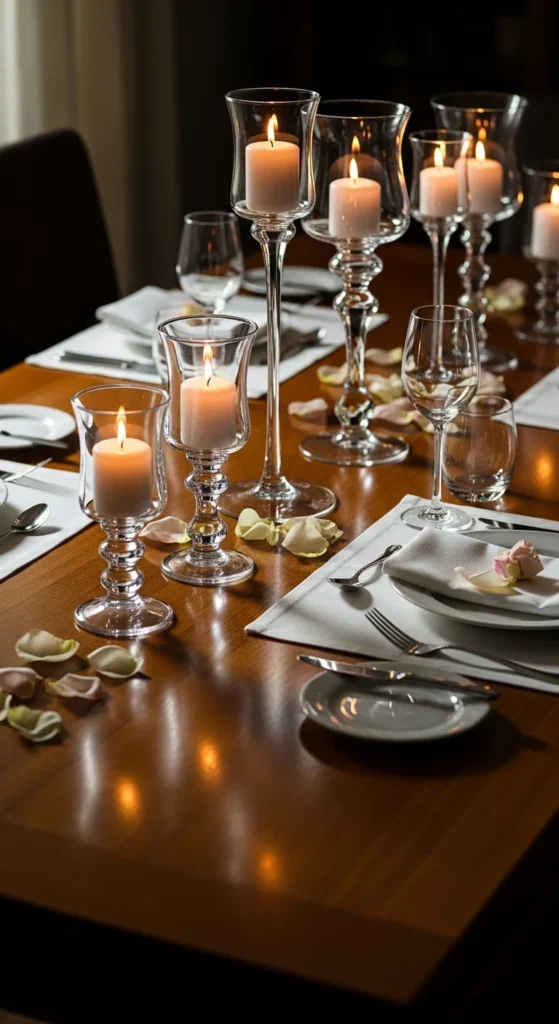
Glass holders reflect light better than dark metals. Choose clear or frosted styles.
Use them sparingly. One or two per surface works well.
They add warmth without heaviness.
17. Open Closet Color Edit
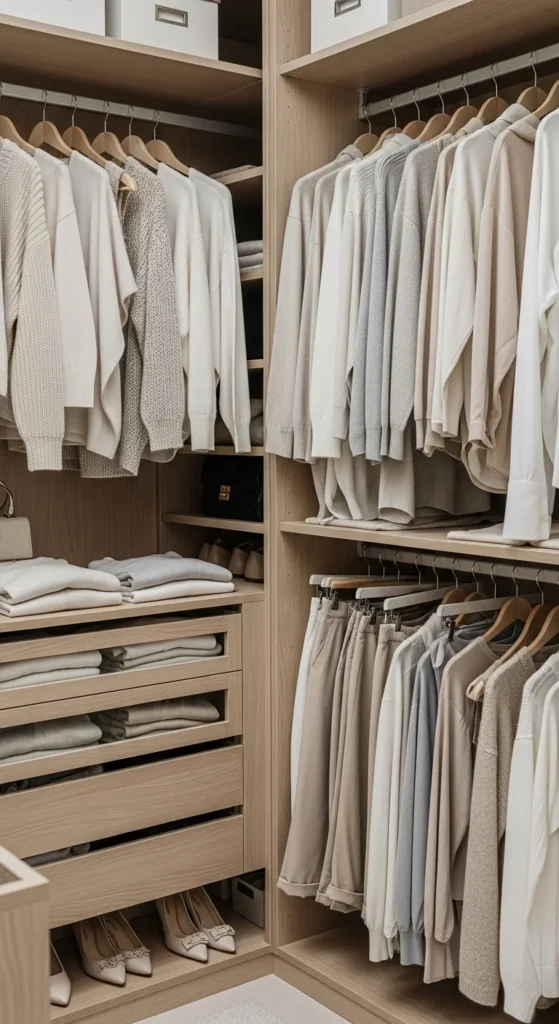
Group light clothing together. This makes closets feel larger.
Remove items you don’t wear. Space helps visibility.
This project costs nothing and saves time daily.
18. Simple Kitchen Counter Reset
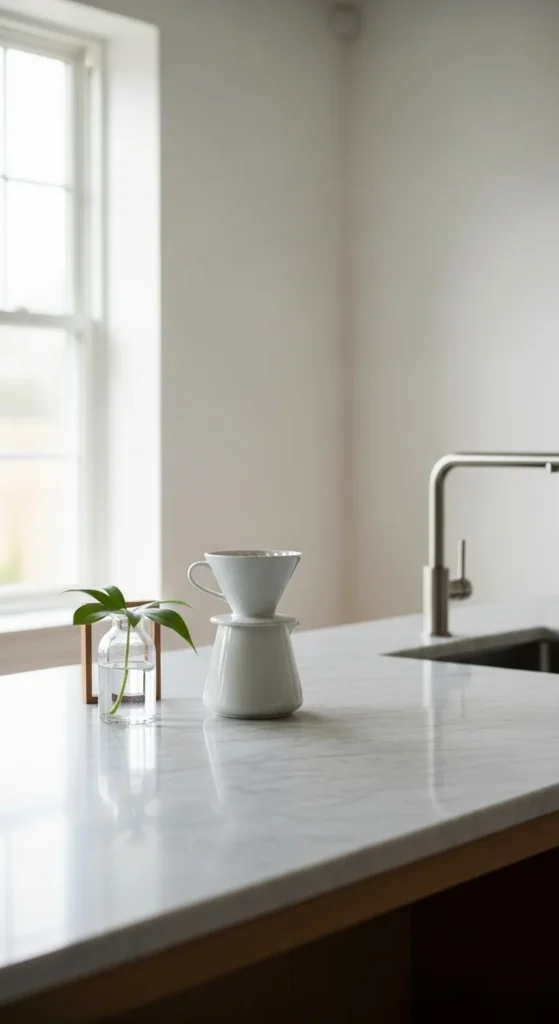
Clear counters help kitchens feel open. Store appliances away when possible.
Leave one or two items out. Space matters more than styling.
This makes cooking and cleaning easier.
19. Light Switch Plate Update
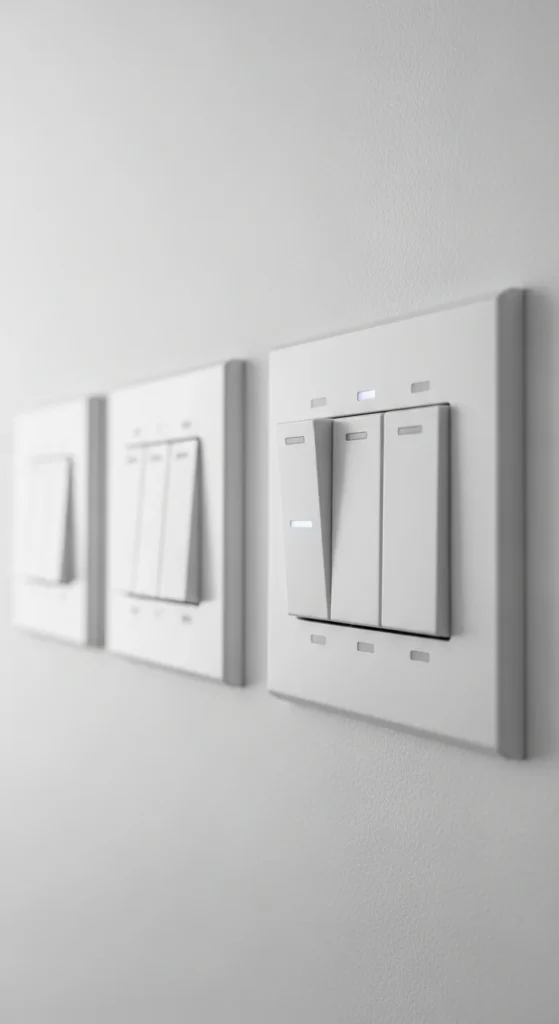
Old switch plates can darken walls. White replacements are affordable.
This small detail quietly improves rooms.
Install in minutes with a screwdriver.
20. Neutral Throw Blanket Fold
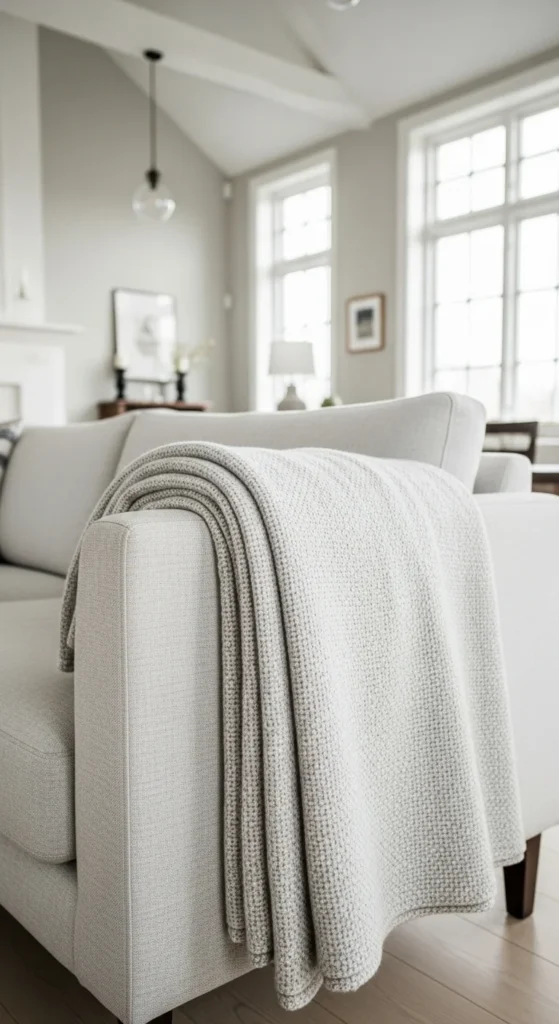
Choose throws in soft tones. Fold neatly rather than draping.
This keeps seating tidy and comfortable.
One throw per room is enough.
21. Open Floor Space Edit
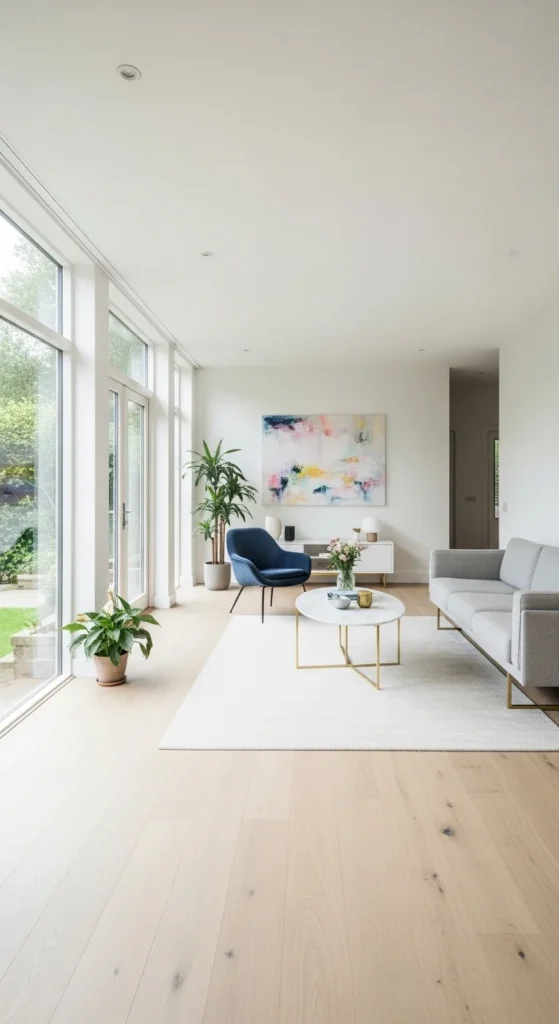
Remove one small piece of furniture. This instantly improves flow.
Rooms feel larger when paths stay clear.
Try it for a week. You may not miss it.
22. Simple Door Wreath Alternative
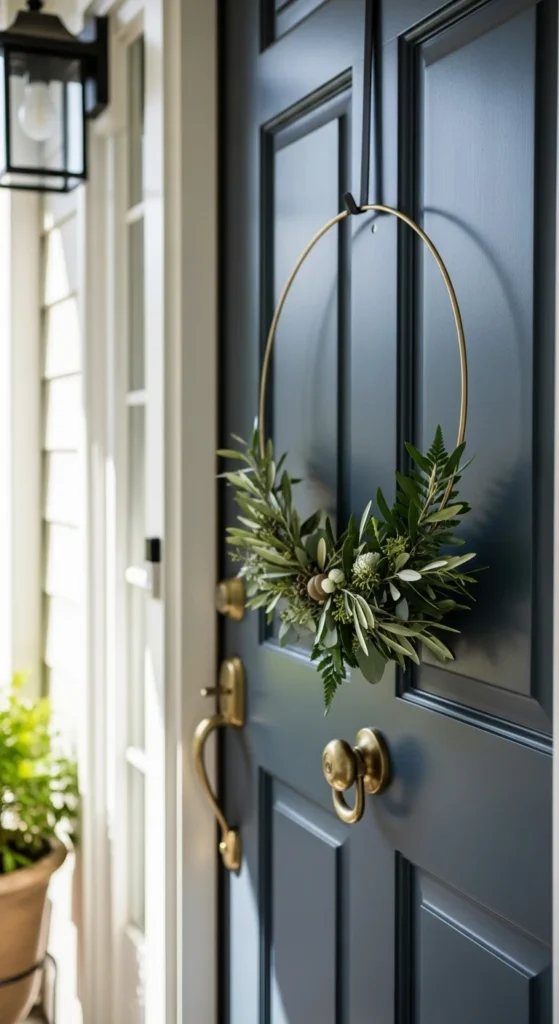
Use a simple greenery hoop instead of heavy decor. Keep it light.
This works for indoor doors too.
It adds interest without weight.
23. DIY Linen Lamp Shade Cover
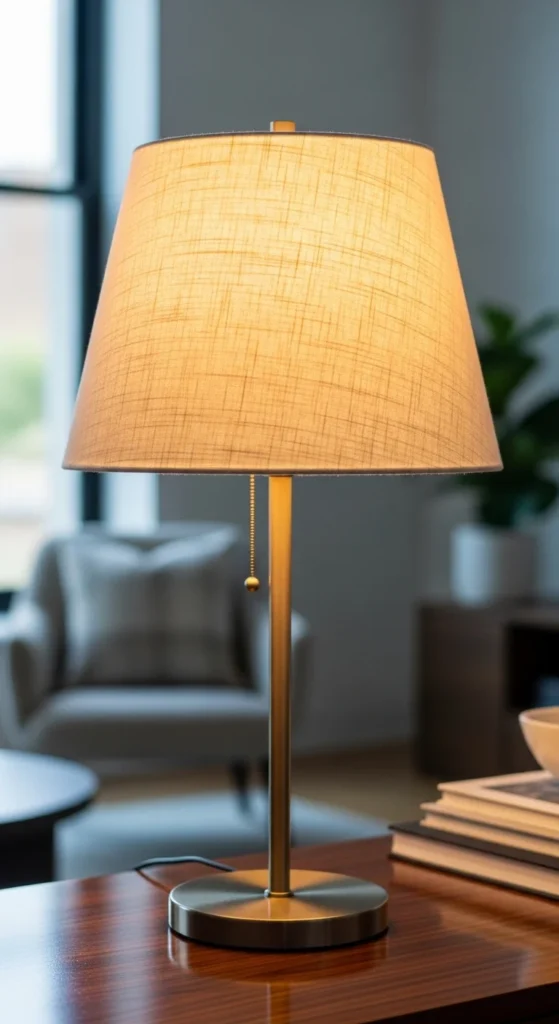
Linen softens harsh lighting. Use clip-on covers or fabric wraps.
Neutral tones work best. Avoid patterns.
This makes rooms feel calmer at night.
24. Floating Shelf Height Adjustment
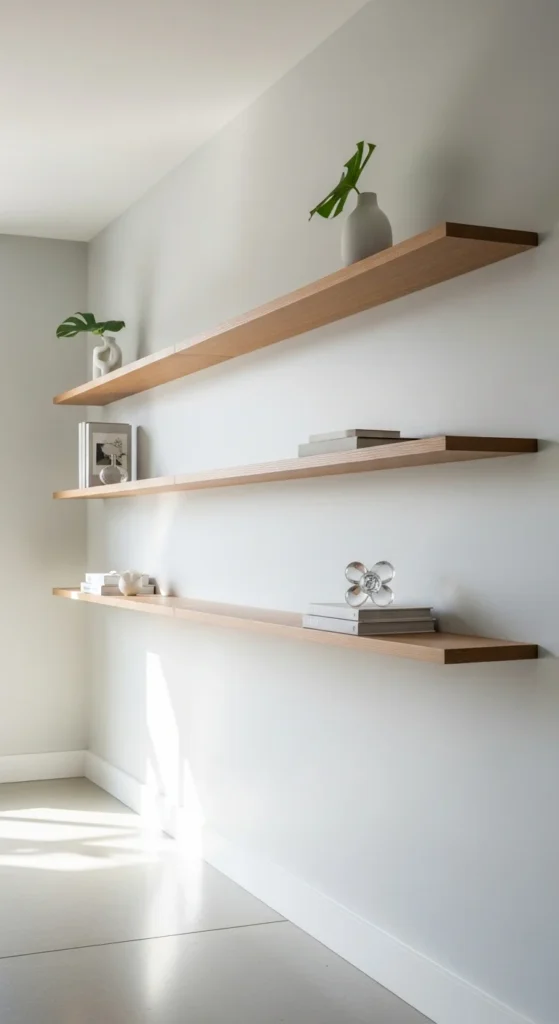
Raising shelves draws the eye upward. This helps ceilings feel taller.
Remove clutter before reinstalling.
The result feels more open without buying anything new.
Conclusion
Spring decorating works best when it removes visual weight and lets rooms breathe. These DIY ideas focus on light materials, open space, and small changes that fit real homes and real budgets. Pick one or two projects and start there. Save the ideas you like most and work through them over time. Small shifts add up, and your home will feel calmer and easier with every step.
Leave a Reply