

Crocheting is an enjoyable and relaxing craft that’s perfect for beginners looking to create something beautiful with their hands. Whether you want to make blankets, scarves, or tiny stuffed animals, learning to crochet opens up a world of possibilities. If you’ve never crocheted before and aren’t sure where to start, this guide will walk you through the basics. Grab your yarn, hook, and let’s get started!
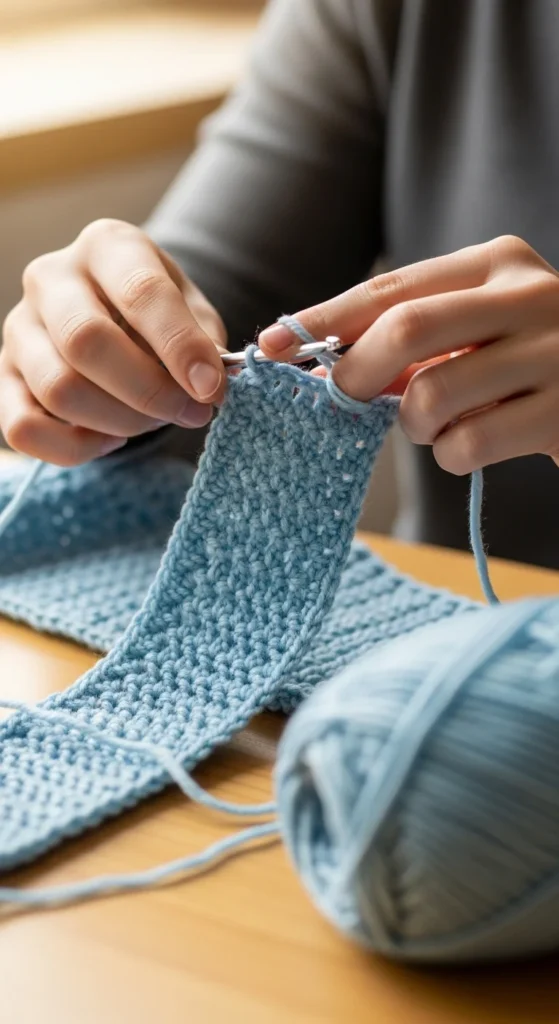
What You’ll Need to Start Crocheting
Before diving into your first project, it’s important to gather the right materials. Fortunately, crocheting doesn’t require much to get started!
Essential Tools:
- Crochet Hook: You’ll need a crochet hook, which comes in various sizes. Beginners usually start with a medium-sized hook, such as a 5mm (H-8).
- Yarn: For beginners, a medium-weight yarn (also known as worsted weight) is easiest to work with. Look for yarn labeled “easy” or “beginner” for a smooth experience.
- Scissors: A pair of sharp scissors will help you trim the yarn when you’re finished with your project.
- Tapestry Needle: This is used to weave in any loose ends when you finish your project.
Once you have these tools, you’re ready to begin your crocheting journey!
How to Hold the Crochet Hook and Yarn
Before learning the stitches, it’s essential to get comfortable with how to hold your hook and yarn.
Hold the Crochet Hook:
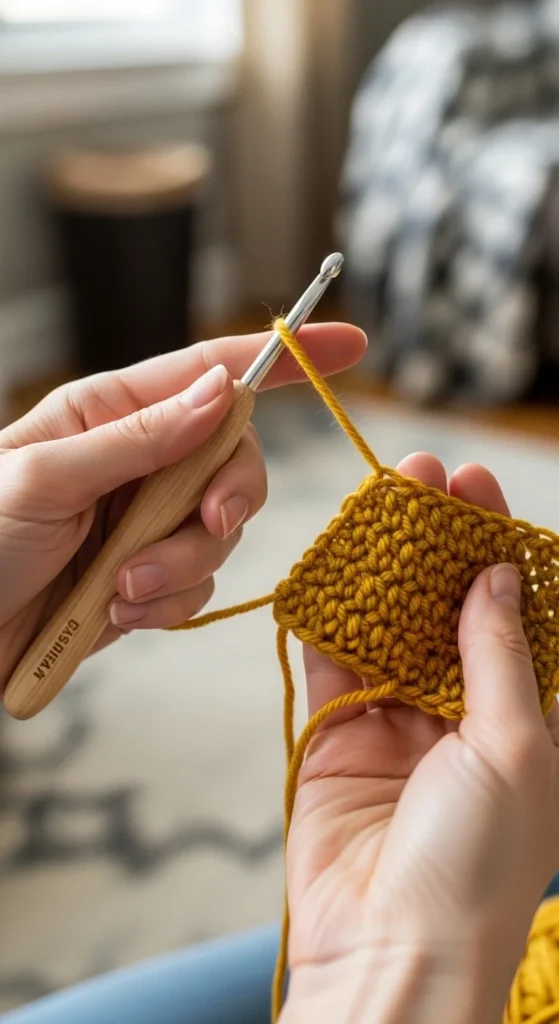
- Grip: Hold your crochet hook like a pencil or a knife—whatever feels more natural. A pencil grip is the most common, where you hold the hook like a writing instrument with your thumb and index finger.
Hold the Yarn:
- Yarn in Your Left Hand: If you’re right-handed, hold the yarn in your left hand, creating a small loop. You’ll guide the yarn through the crochet hook with your left hand as you work.
- Tension: Practice controlling the tension of the yarn. You want it to be tight enough to keep your stitches consistent, but not so tight that the hook can’t move smoothly.
Learning the Basic Stitches
Now that you’re comfortable holding your hook and yarn, it’s time to learn the foundational stitches. As a beginner, you’ll start with two basic stitches: the chain stitch (ch) and the slip stitch (sl st).
Step 1: Chain Stitch (ch)
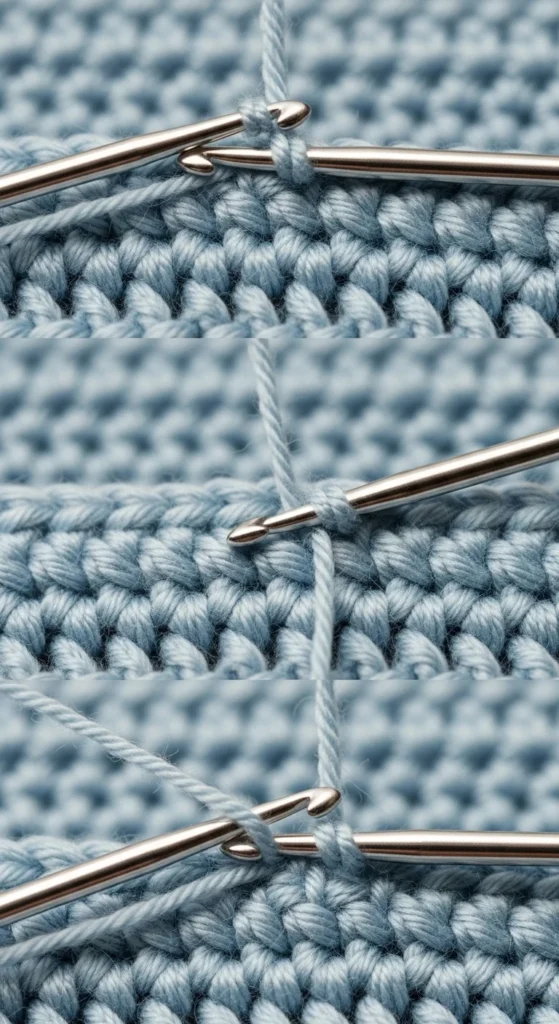
- How to Make a Chain Stitch: Start by creating a slip knot and placing it on your hook. Yarn over (wrap the yarn over the hook), pull the yarn through the loop on your hook. Repeat this until you have the desired number of chains.
Step 2: Single Crochet (sc)
- How to Make a Single Crochet: Insert the hook into the second chain from your hook. Yarn over and pull up a loop. You should now have two loops on your hook. Yarn over again and pull through both loops to complete the stitch.
- Repeat this process across the row.
Once you feel comfortable with the chain and single crochet stitches, you can combine them to create rows and patterns.
Practice Makes Perfect
Crocheting, like any new skill, takes practice. Start small with simple projects like a dishcloth or a small coaster. These projects help you become more familiar with holding the yarn and working the stitches.
Tips for Beginners:
- Consistency: Try to keep your stitches even. It may take some time, but don’t worry if your first few attempts are uneven.
- Keep Your Tension Loose: Tension is key when crocheting. If your tension is too tight, it will be hard to move the hook. If it’s too loose, your work will look uneven.
- Practice Rows: Start by practicing rows of single crochet to get the feel for it. Once you’re comfortable, you can move on to more advanced stitches.
Finishing Your Work
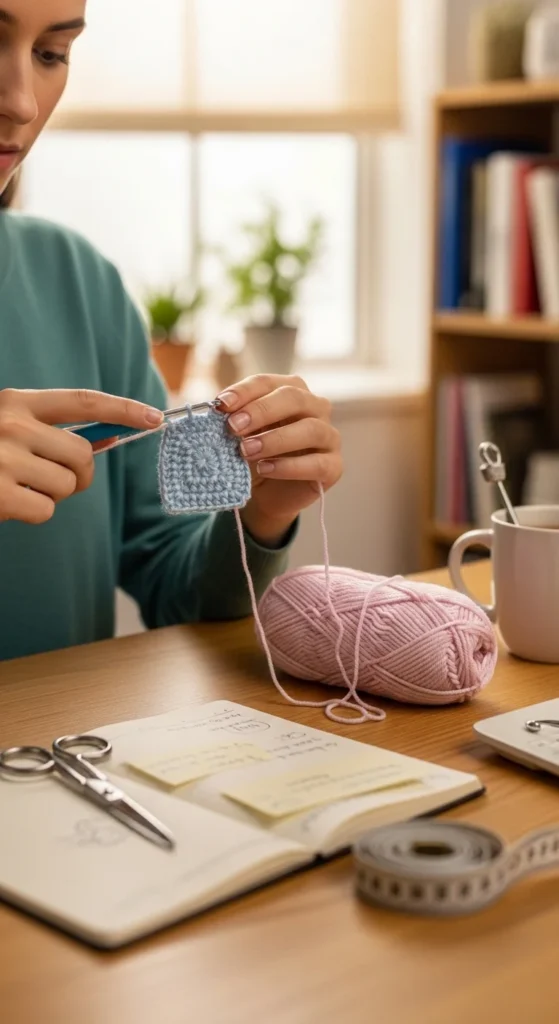
Once you’ve completed your first project, it’s time to finish it off!
Step 1: Fasten Off
To finish your work, cut the yarn, leaving a few inches, and then yarn over and pull the yarn through the last loop on your hook. This secures the end.
Step 2: Weave in the Ends
Use a tapestry needle to weave in the yarn ends. This ensures that your work looks neat and prevents the yarn from unraveling.
Step 3: Blocking (Optional)
Blocking is the process of wetting your finished piece and allowing it to dry flat. This helps to even out the stitches and give your project a more professional look.
Conclusion: You’ve Got This!
Starting with crochet can feel a bit tricky at first, but with time and practice, you’ll be amazed at what you can create. Remember, everyone starts as a beginner, and the more you crochet, the easier it will become.
So, grab your yarn, pick up your crochet hook, and get started with your first project! Who knows? You may just end up creating beautiful pieces to share with your friends and family or even sell.
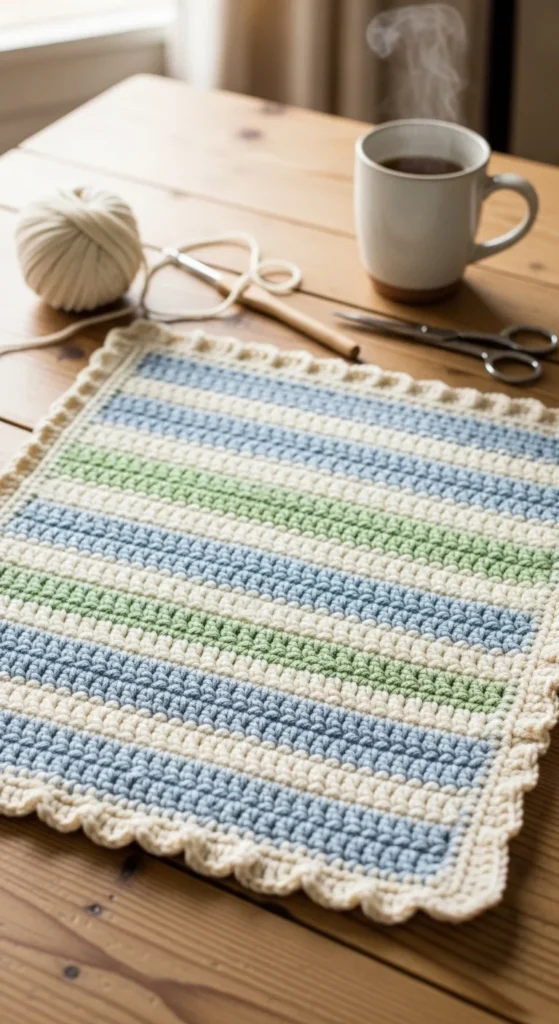
Happy crocheting!
Leave a Reply