

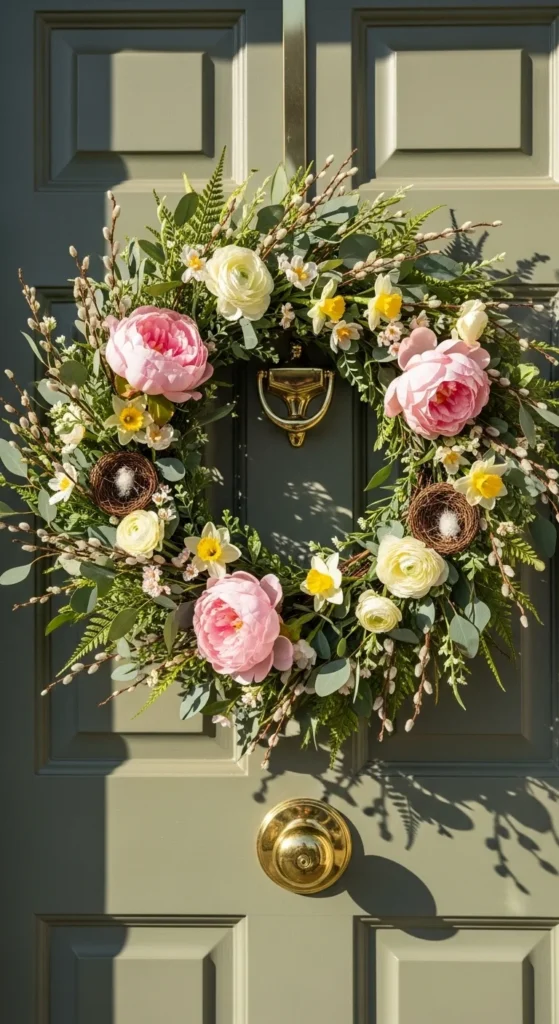
Spring is the season when front doors finally get attention again. A well-made wreath sets the tone before anyone steps inside. The good news is that a polished, store-style look does not require high prices or specialty skills. With the right materials and a few smart tricks, DIY spring wreaths can feel intentional, balanced, and well-finished. This guide shares wreath ideas that feel styled, realistic, and achievable using craft-store supplies, dollar finds, and simple tools.
Soft Pastel Floral Hoop Wreath
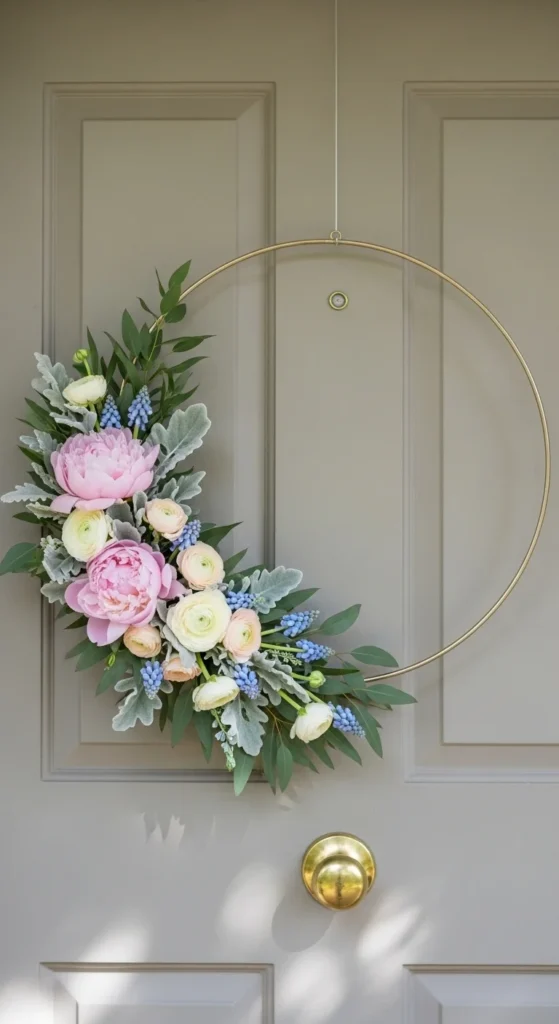
A floral hoop wreath works well for clean, modern homes. The open shape gives it a styled look that many stores charge extra for. Start with a metal hoop from the craft aisle. Wrap only the lower half with greenery, keeping the top open. This spacing is what makes it feel intentional.
Use pastel faux florals like blush roses, pale lavender stems, or soft cream blooms. Stick to two flower types to keep it controlled. Wire them tightly to one side of the hoop, letting some greenery extend slightly past the frame.
Budget tip: Buy floral bundles instead of individual stems. Pull them apart and use only what you need. Save extras for later projects.
Hang it with a simple ribbon or fishing line. The lighter structure keeps it from looking heavy or crowded. This wreath works well on dark doors where the soft colors stand out without overpowering the entry.
Eucalyptus and Cotton Stem Wreath
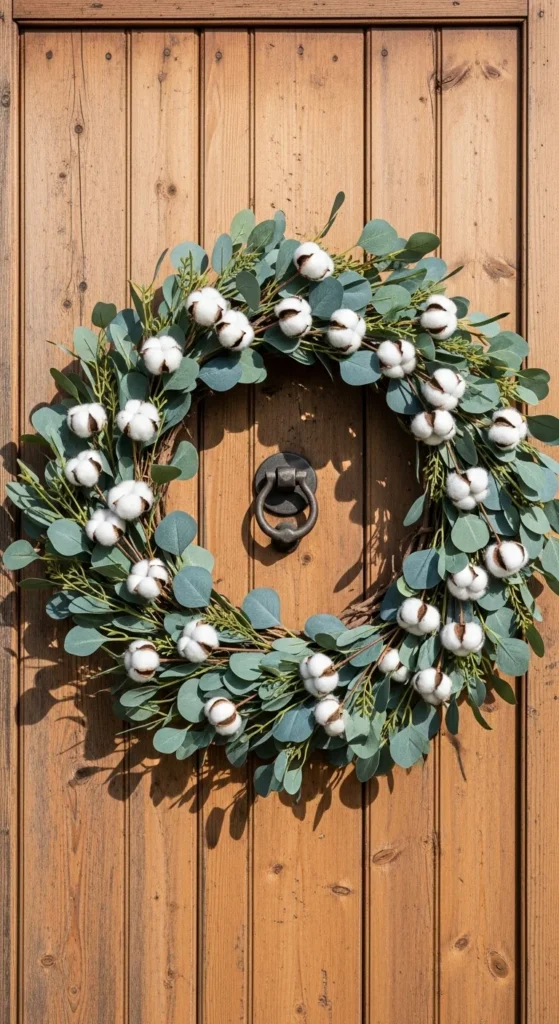
Eucalyptus wreaths stay popular because they work with many home styles. Pairing eucalyptus with cotton stems adds texture without making it busy. Start with a grapevine base and lay eucalyptus branches around the full circle.
Tuck cotton stems in small clusters. Space them evenly rather than bunching them. This keeps the wreath from feeling crowded. Secure everything with floral wire pushed into the grapevine.
Budget tip: Faux eucalyptus garlands cost less than individual stems. Cut them apart and shape the branches.
This wreath works indoors too. Hang it above a console table or on a pantry door. Its soft tones match neutral decor without clashing. Keep the design simple and avoid extra accents. The clean structure is what gives it a store-quality finish.
Tulip and Greenery Half Wreath
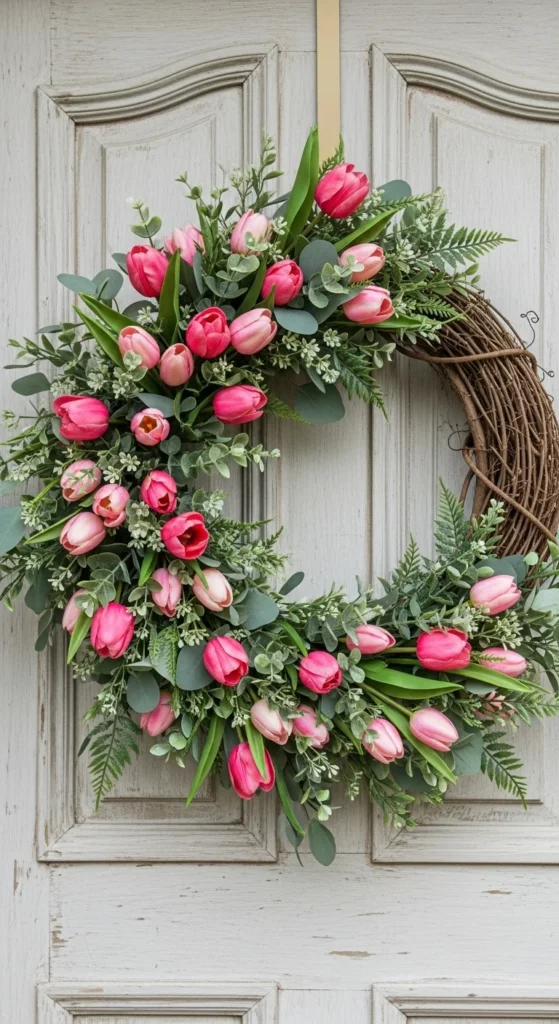
Half wreaths feel intentional and styled when done right. Tulips work well because their shape is recognizable and seasonal. Use faux tulips in one color to avoid visual clutter.
Attach greenery to only one side of the grapevine base. Then layer tulips on top, angling them outward. Keep the stems pointing in the same direction for a clean look.
Budget tip: Check seasonal bins for tulip bundles. Even if colors are mixed, separate them by shade.
Leave the other half of the wreath bare. This negative space keeps the design balanced. Add a simple ribbon hanger if needed, but avoid bows. The simplicity is what makes this wreath feel polished rather than handmade.
Lavender Twig Wreath
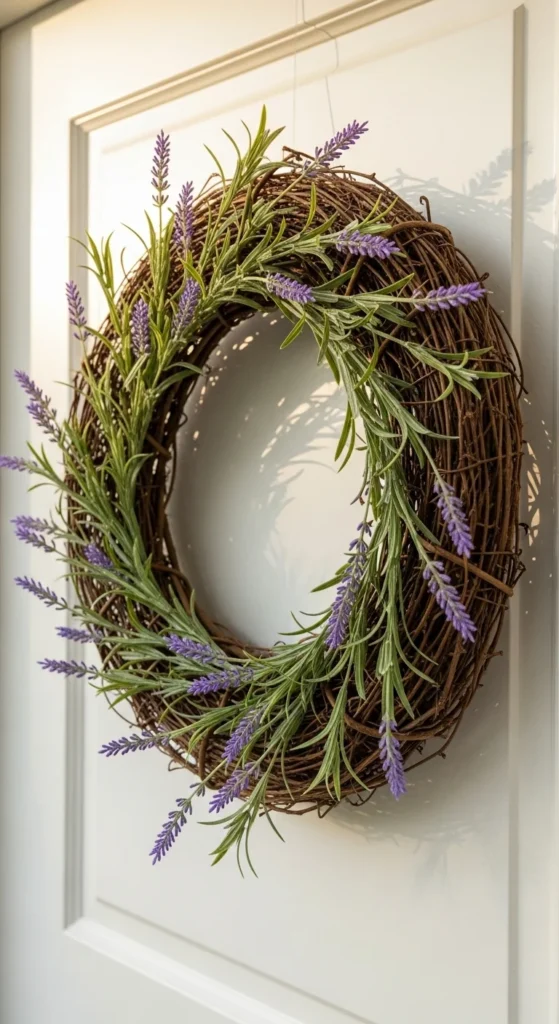
Lavender wreaths bring calm color without feeling heavy. Use a twig or grapevine base to keep the structure natural. Insert faux lavender stems evenly around the wreath, facing the same direction.
Do not pack the wreath too tightly. Let the twig base show through. This spacing keeps it light and intentional.
Budget tip: Choose smaller lavender bundles. Shorter stems are easier to tuck and require fewer supplies.
This wreath works well on light-colored doors or indoors on walls. Avoid adding extra greenery or ribbon. Lavender alone carries the look and keeps it simple.
Wildflower Basket Wreath
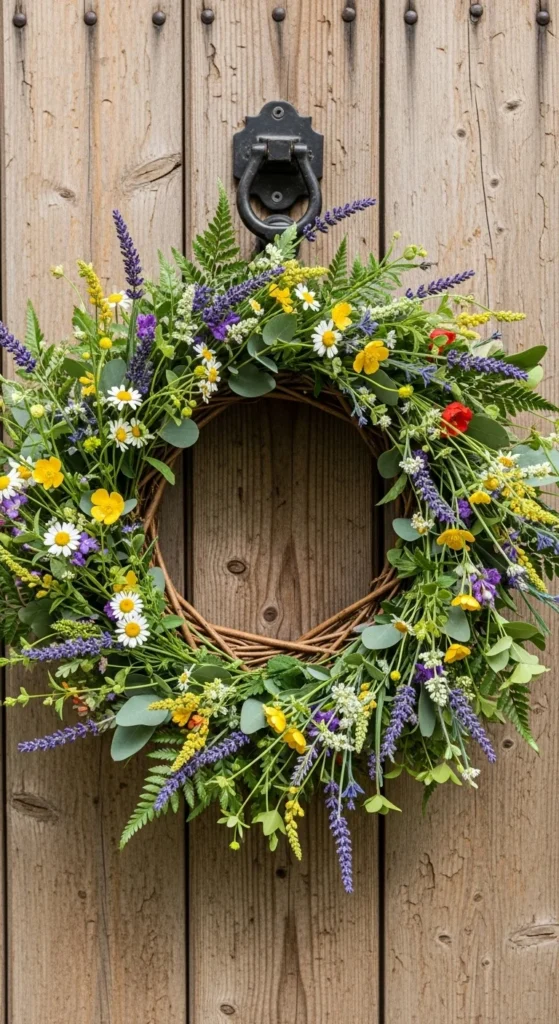
Basket wreaths look full without needing perfect symmetry. Start with a shallow woven basket or basket-style wreath form. Line the inside with greenery first to create a base.
Add wildflower stems in varied heights. Keep colors within one palette so it feels coordinated. Angle flowers outward rather than straight up.
Budget tip: Dollar-store florals work well here because the design feels relaxed and forgiving.
Hang the basket slightly tilted for a natural look. This style works well for farmhouse or cottage entries and feels welcoming without being overdone.
Boxwood Ring Wreath
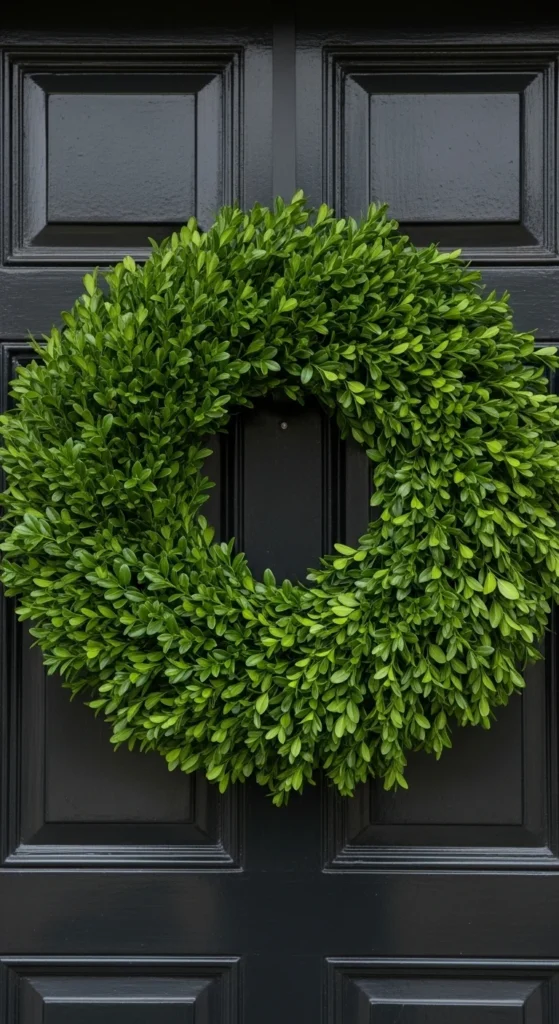
A boxwood wreath feels classic and timeless. Use a foam or wire ring and attach boxwood stems evenly around the form. The key is uniform coverage.
Trim uneven pieces so the shape stays round. Step back often to check balance.
Budget tip: Faux boxwood mats can be cut into sections and wired on, saving money.
This wreath pairs well with any door color. Add a thin ribbon if desired, but it looks strong on its own.
Daisy and Burlap Wreath
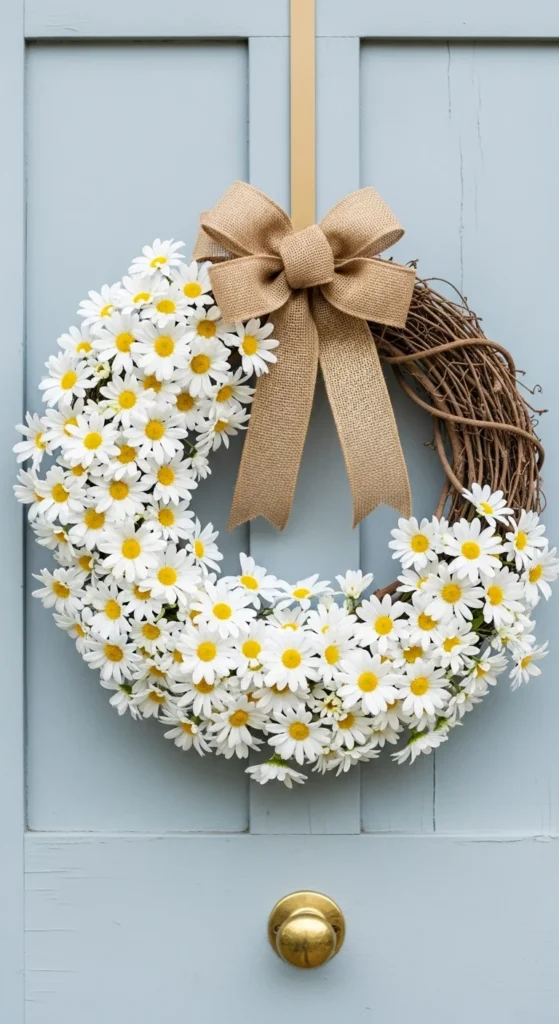
Daisies feel cheerful without looking busy. Space them evenly around a grapevine base. Keep greenery minimal.
Add a small burlap ribbon tied at the bottom. Avoid large bows.
Budget tip: Choose silk daisies in bulk packs.
This wreath works well for casual homes and porch spaces.
Monochrome White Floral Wreath
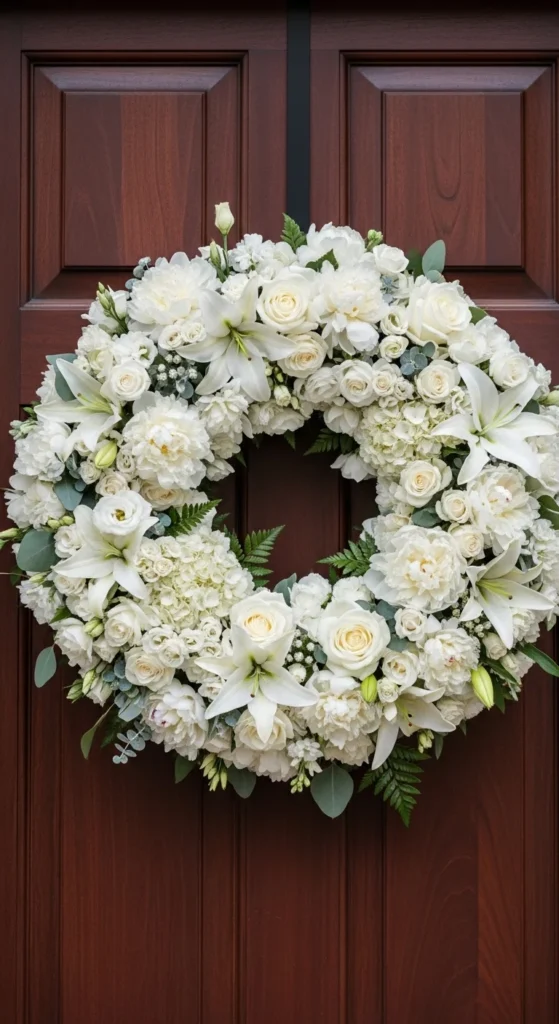
Using one color makes any wreath feel styled. Choose white blooms in different sizes. Layer them tightly for a full look.
Add small greenery pieces between flowers.
Budget tip: Mix flower types from different bundles to vary texture.
This wreath looks polished and works indoors or outdoors.
Olive Branch Circle Wreath
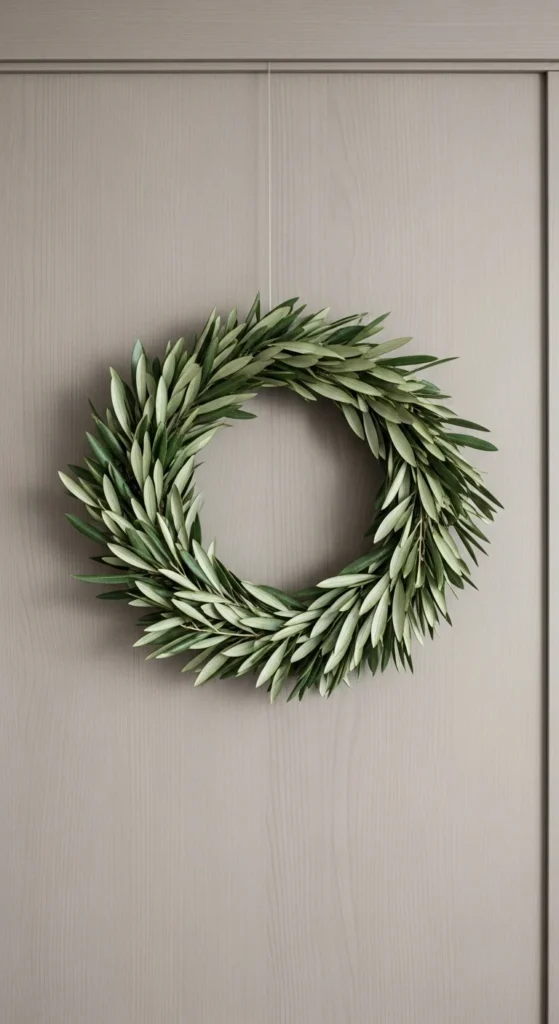
Olive branches give a soft, natural look. Arrange branches loosely around a wire ring.
Keep spacing even and avoid extra accents.
Budget tip: Faux olive garlands can be cut apart easily.
This style fits modern and traditional homes alike.
Hydrangea Front Door Wreath
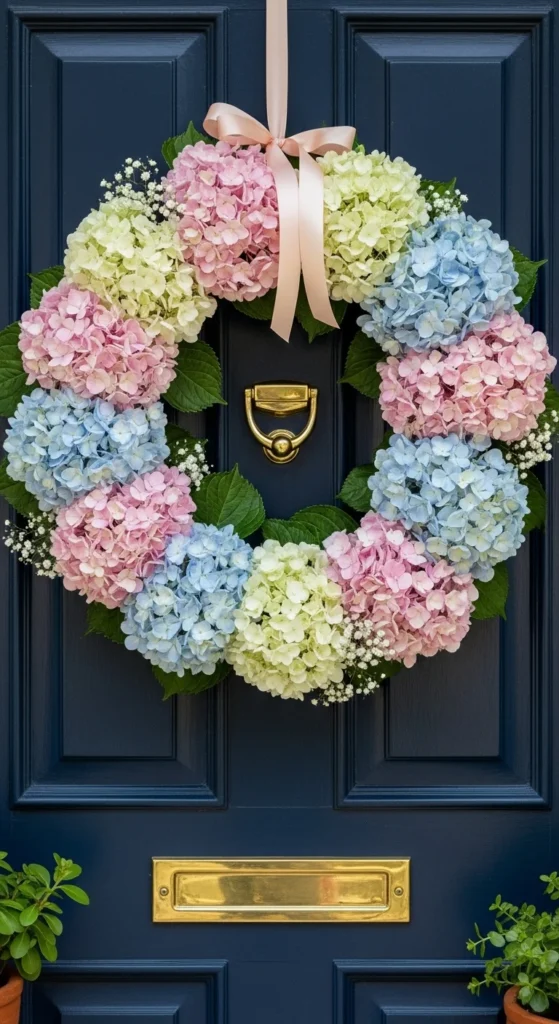
Hydrangeas fill space quickly. Use them sparingly so the wreath does not feel heavy.
Cluster blooms in groups and add greenery around edges.
Budget tip: Use one hydrangea bundle and spread it out.
This wreath stands out on larger doors.
Herb-Inspired Greenery Wreath
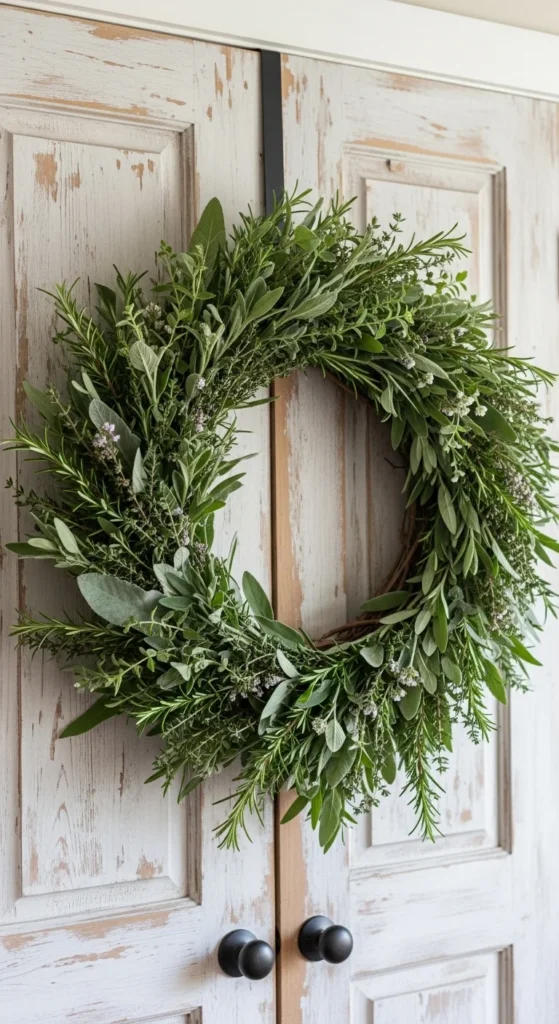
Herb-style greenery looks relaxed and simple. Use mixed leaf shapes.
Keep colors muted.
Budget tip: Mixed greenery bundles cost less than labeled herb stems.
Works well indoors.
Peony Accent Wreath
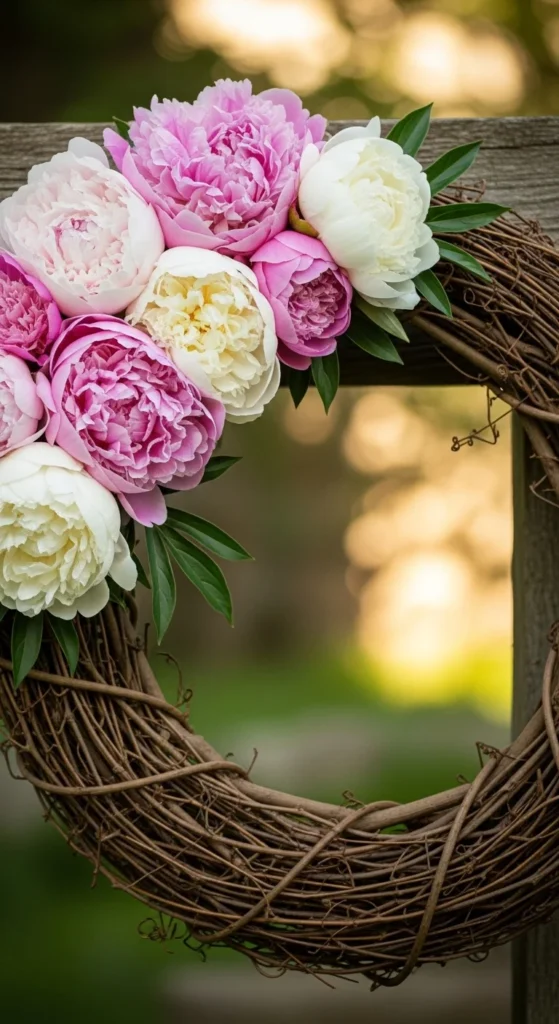
Large blooms make a statement. Use only a few peonies.
Balance with greenery.
Budget tip: One peony bundle is often enough.
Forsythia Branch Wreath
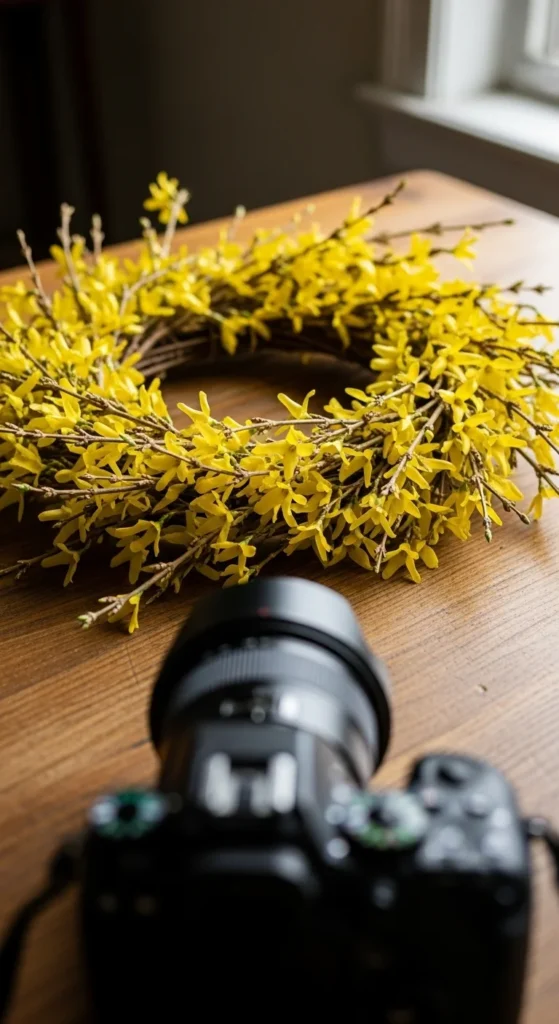
Forsythia branches create movement. Wrap them around the base.
Let ends extend slightly.
Budget tip: One long garland can cover the wreath.
Garden Rose Wreath
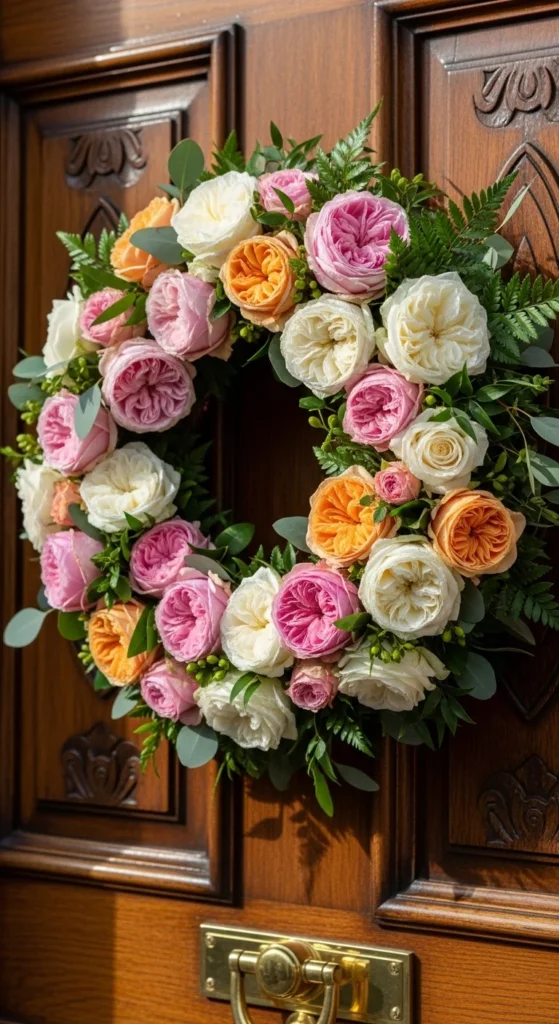
Garden roses look styled when spaced well. Avoid overcrowding.
Use greenery to fill gaps.
Budget tip: Mix roses from different packs.
Minimal Green Hoop Wreath
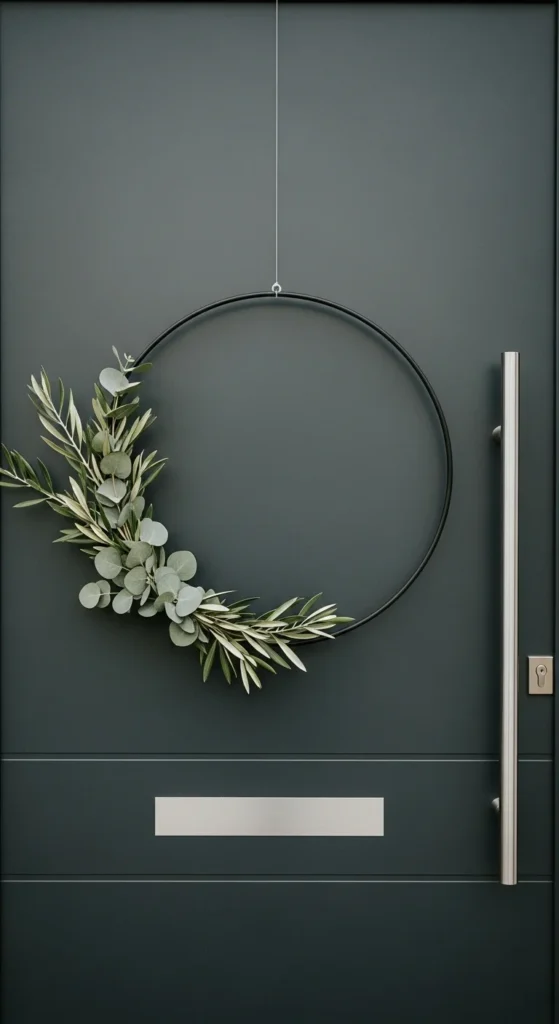
Keep greenery light and spaced.
This design works with modern decor.
Budget tip: Use leftover greenery scraps.
Cherry Blossom Branch Wreath
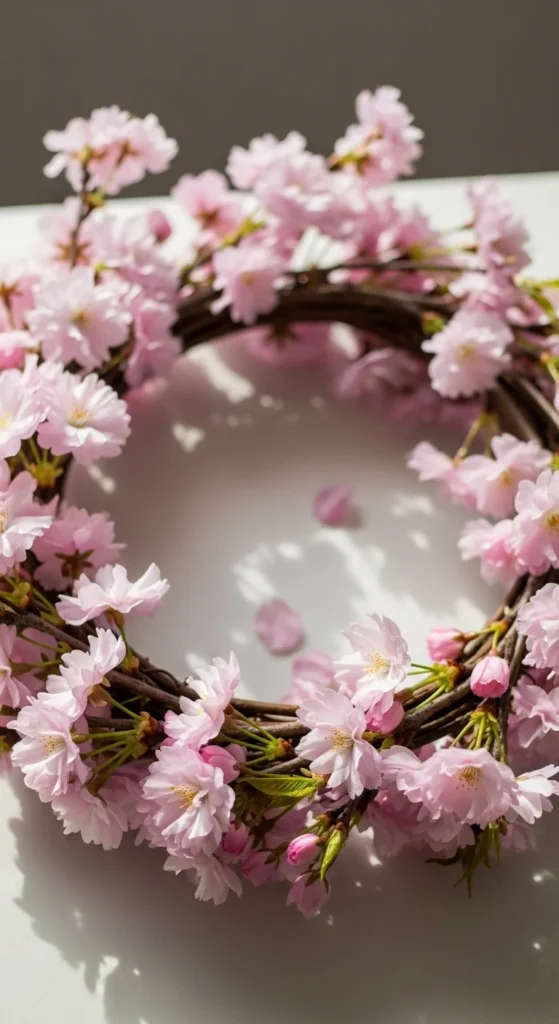
Cherry blossoms add soft color. Arrange branches evenly.
Let stems overlap naturally.
Budget tip: Choose small blossoms.
Sunflower Entry Wreath
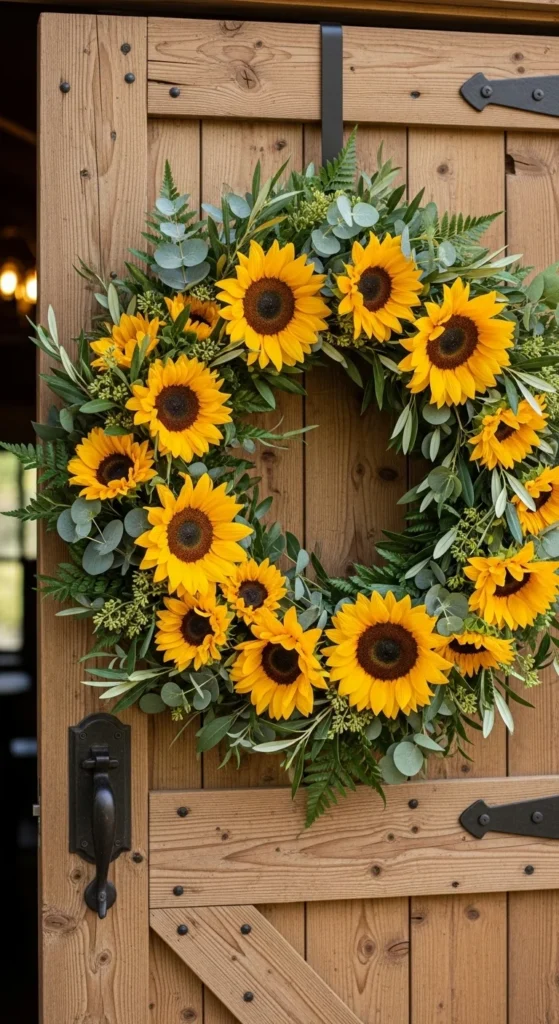
Use smaller sunflowers for balance.
Space evenly.
Budget tip: Buy sunflowers in seasonal packs.
Neutral Linen Ribbon Wreath
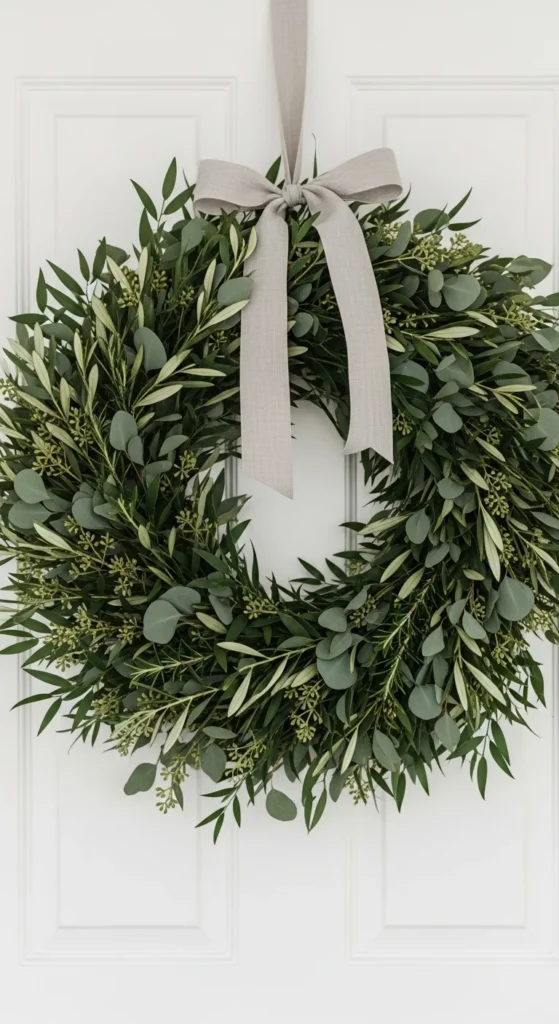
Ribbon adds softness. Keep the bow small.
Use greenery as the main feature.
Budget tip: Fabric ribbon costs less per yard.
Mixed Green Textured Wreath
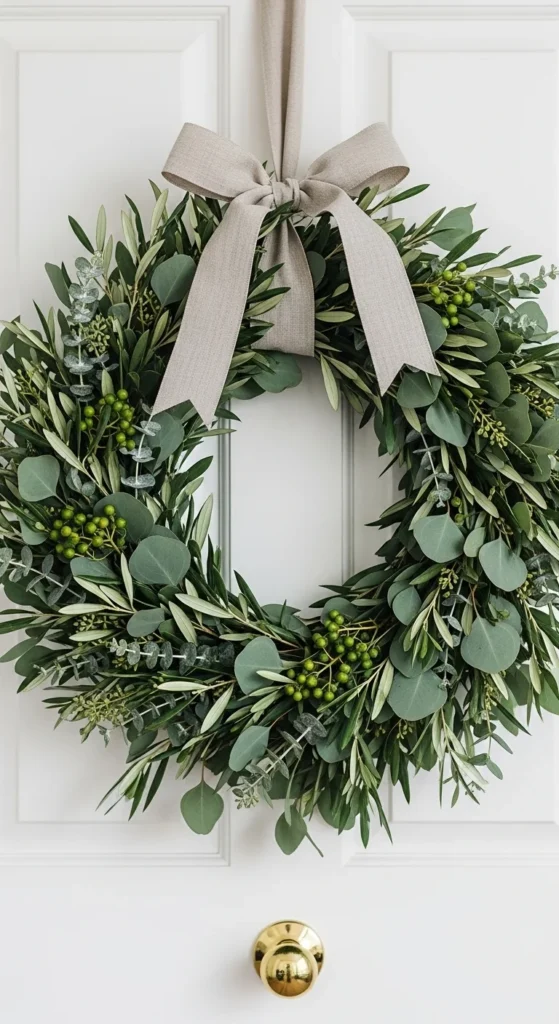
Mix leaf sizes for depth.
Avoid adding flowers.
Budget tip: Combine leftover stems.
Magnolia Leaf Wreath
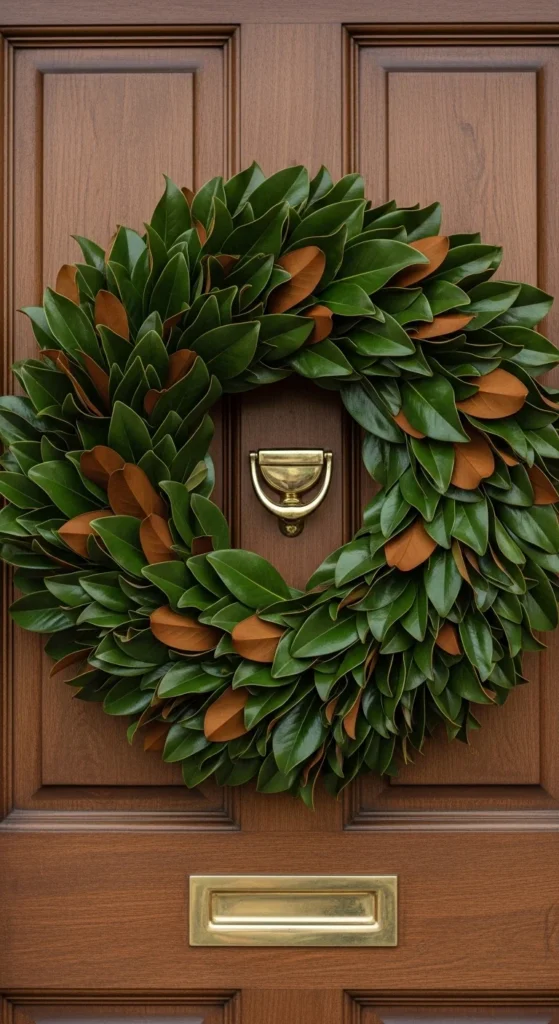
Magnolia leaves create contrast.
Alternate leaf directions.
Budget tip: Faux magnolia picks go far.
Simple Vine and Bud Wreath
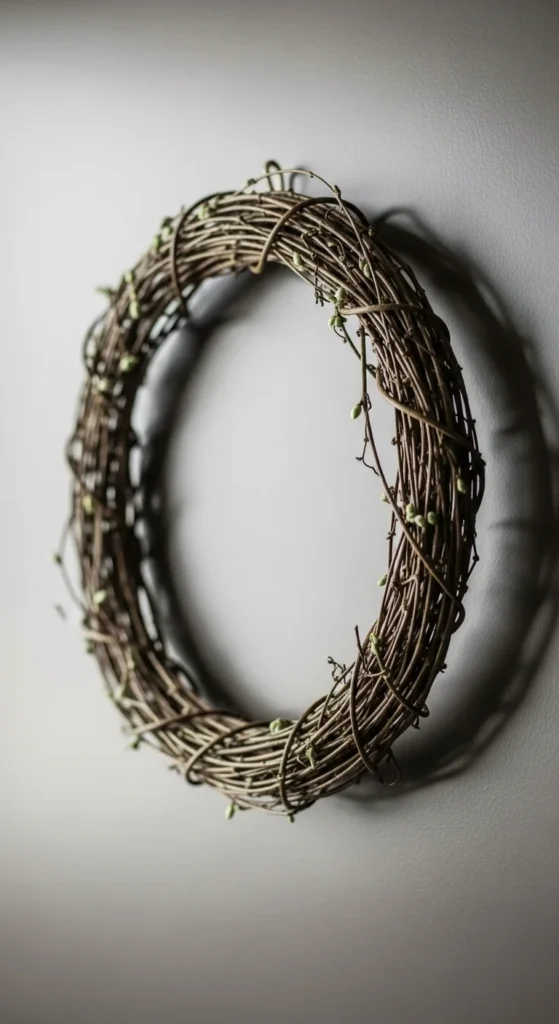
Small buds add detail without clutter.
Keep vines loose.
Budget tip: Use bendable vine garlands.
Cottage-Style Floral Mix Wreath
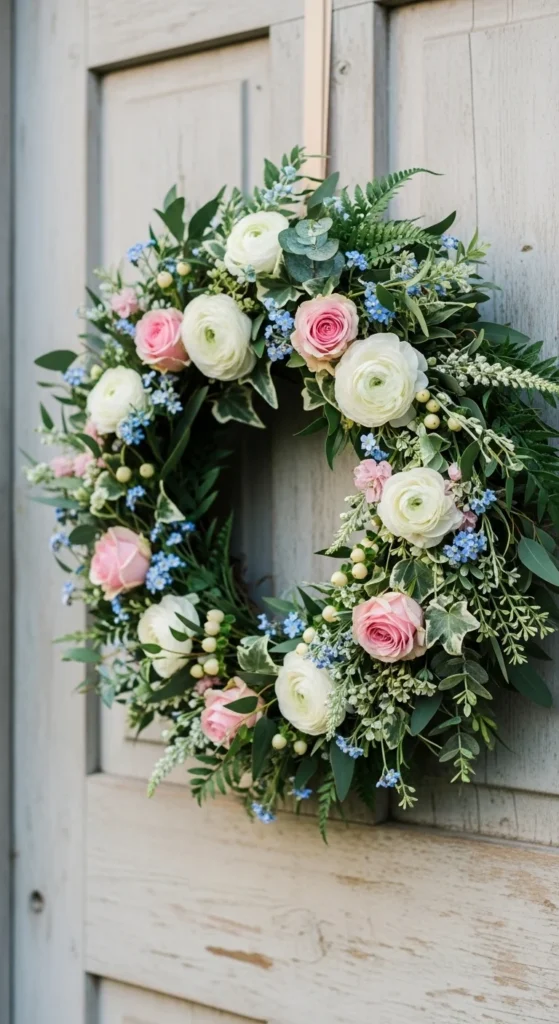
Use mixed florals in one palette.
Layer gradually.
Budget tip: Dollar-store florals work well here.
Conclusion
A spring wreath does more than decorate a door. It sets a mood and shows care without saying a word. These DIY ideas prove that thoughtful spacing, limited colors, and simple materials can create a polished look. Save the styles you like, gather supplies slowly, and enjoy creating a wreath that feels personal and well-made.

Leave a Reply