

Birthday games can turn a good party into a great one—but only if they’re planned with real people in mind. The best games feel easy, inclusive, and fun without putting anyone on the spot. Whether you’re planning for kids, teens, or adults, the goal is the same: create moments where guests laugh, connect, and actually want to join in.
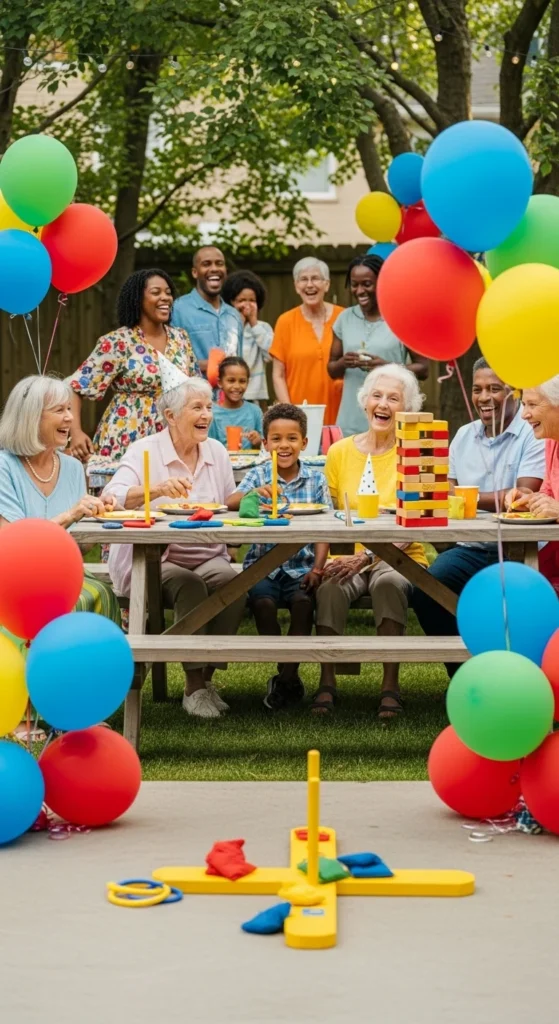
Below is a simple, stress-free way to plan birthday games that truly work for everyone.
Start With Your Guest Mix (Not the Games)
Before choosing a single activity, think about who will be there. This step alone prevents awkward moments later.
Ask yourself:
- What’s the age range?
- Are guests mostly outgoing, shy, or mixed?
- Will people know each other well?
- Is the party indoors or outdoors?
If your group includes different ages or personalities, plan a variety of energy levels:
- One low-pressure icebreaker
- One active game
- One relaxed or creative option
This way, no one feels forced into something they don’t enjoy.
Choose Games With Simple Rules
Complicated instructions can kill excitement fast. If a game takes longer to explain than to play, it’s probably not the right fit.
Look for games that:
- Can be explained in under one minute
- Don’t require special skills
- Are easy to join late
Examples of easy-win formats:
- Guessing games
- Team challenges
- Timed rounds
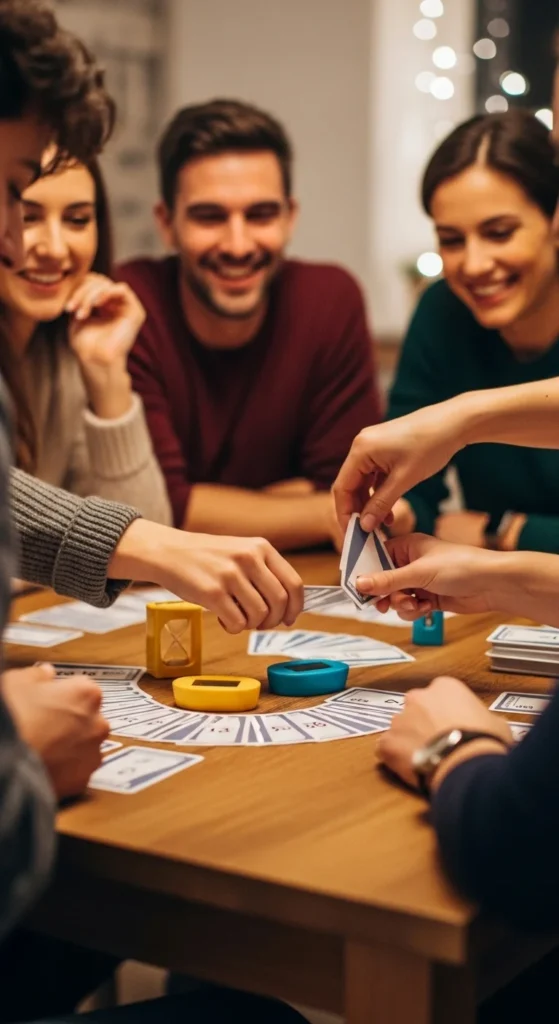
Simple rules mean guests can relax and focus on having fun instead of “doing it right.”
Mix Group Games With Optional Participation
Not everyone loves being the center of attention. The best parties offer choice.
Plan:
- One or two group games everyone can play together
- A few drop-in games people can join or leave anytime
Optional games might include:
- Trivia stations
- Puzzle tables
- Guess-the-theme jars
This approach keeps energy flowing without pressure.
Keep Teams Small and Balanced
Large teams often leave some people standing around. Smaller teams keep everyone involved and talking.
Tips for team games:
- Stick to 2–4 people per team
- Mix ages and personalities
- Change teams between games if possible
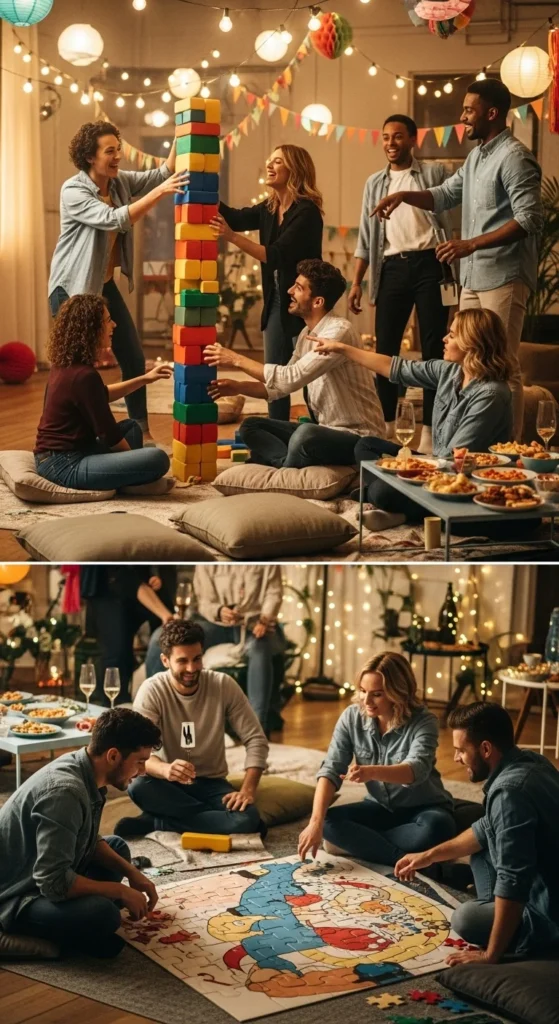
Balanced teams help shy guests feel supported and prevent one group from dominating the fun.
Plan for Short Rounds and Natural Breaks
Games don’t need to last long to be memorable. In fact, short rounds keep excitement high.
Aim for:
- 5–10 minute rounds
- Clear start and stop points
- Easy transitions between games
Short games allow guests to:
- Grab snacks
- Chat between rounds
- Recharge without feeling rushed
This pacing makes the party feel effortless instead of over-scheduled.
Use Prizes That Feel Light and Fun
Prizes don’t need to be big to be motivating. Small, playful rewards keep things lighthearted.
Good prize ideas:
- Stickers or mini favors
- Printable certificates
- First pick at dessert
Avoid anything overly competitive. The focus should be shared fun, not winning at all costs.
Always Have a Backup Game Ready
Every party has surprises. A game might flop, or energy may shift.
Have one backup that:
- Requires no setup
- Works for any group size
- Can start instantly
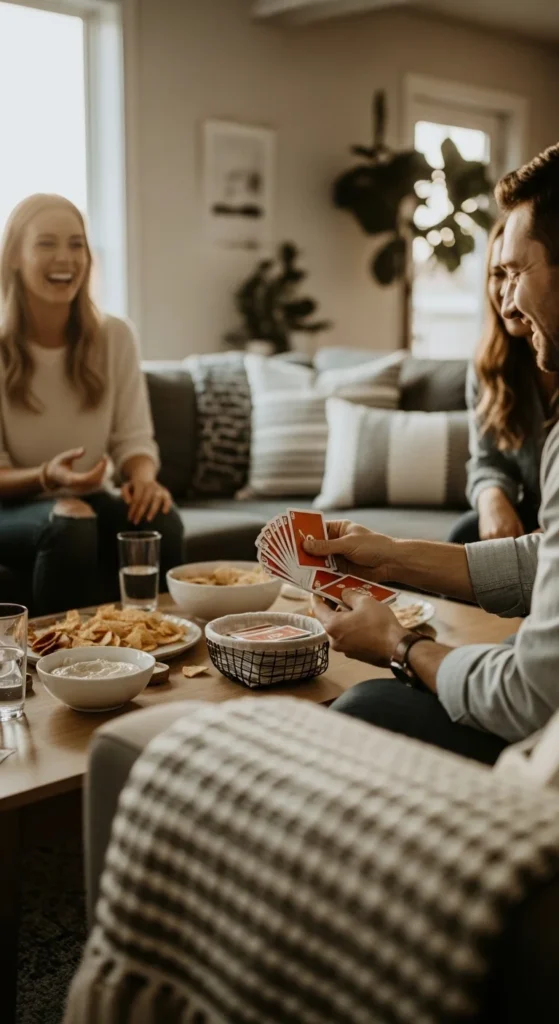
A quick backup keeps the mood positive and the host stress-free.
End With a Feel-Good Activity
Close the game time with something calm and inclusive. This helps the party wind down smoothly.
Great ending ideas:
- Group photo challenge
- Memory or compliment circle
- Low-key guessing game
Ending on a warm note leaves guests feeling connected—and more likely to remember the party fondly.
Final Takeaway
The best birthday games aren’t about perfection. They’re about comfort, choice, and connection. When games feel simple, flexible, and welcoming, guests naturally join in—and that’s when the real fun happens.
Save this guide for your next celebration and plan games that everyone actually enjoys.
Leave a Reply